Tips and techniques
Need to remind yourself of a hand-sewing stitch, or not sure how to use that newly bought interfacing? Below, you'll find dozens of essential skills that I use for many of my sewing projects. And don't worry – many of these techniques are a lot simpler than you think!
- All tips
- Decorative
- Dressmaking
- Fabrics
- Fastenings
- Hemming
- Presser Feet
- Quilting
- Seams & Edgings
- Sewing Machine Tips
- Tools
Swipe for more
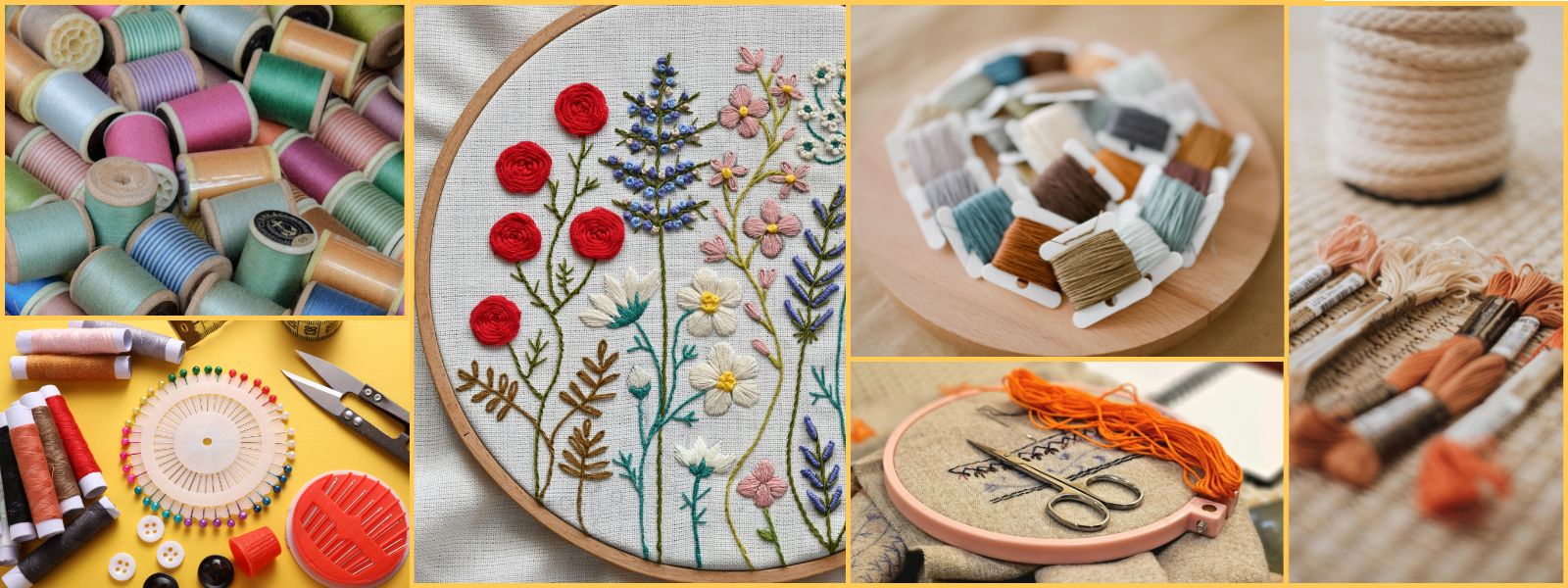
Embroidery Terminology How-To
Below you'll find our helpful dictionary of embroidery terms.


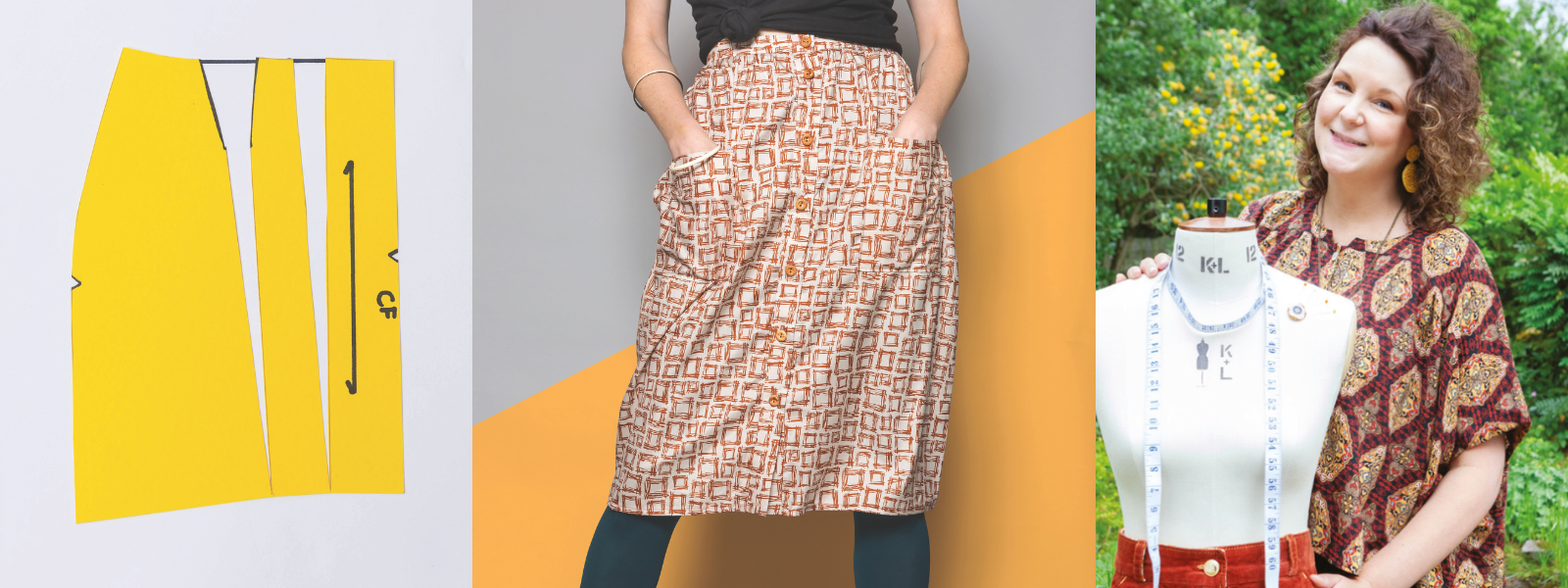
How to Gather at the Waistline | Jenniffer Taylor | Photo Tutorial
Follow along our photo tutorial and discover to gather a skirt at the waistline. It's certain to add a wow-factor to your garments!
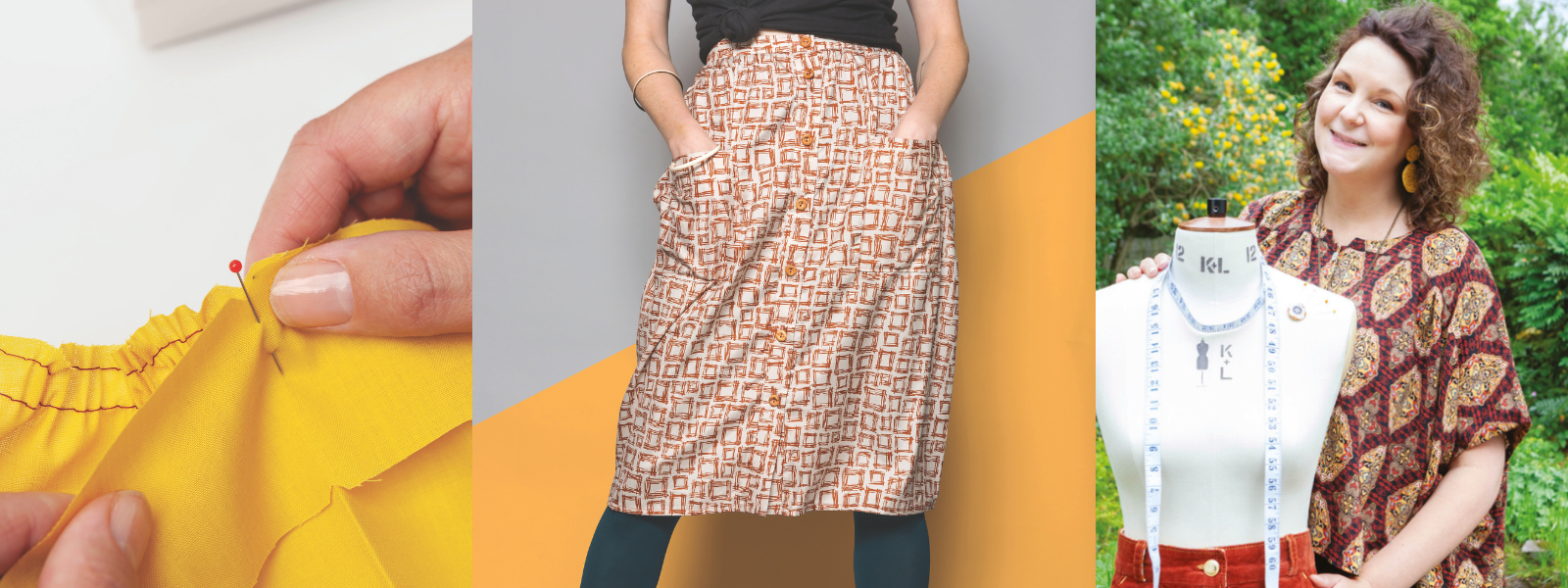
How to Sew in Gathers | Jenniffer Taylor | Photo Tutorial
Whether you decide to gather your skirt in the body or the waistline or in gathered tiers, the way you sew in your gathers will be the same.
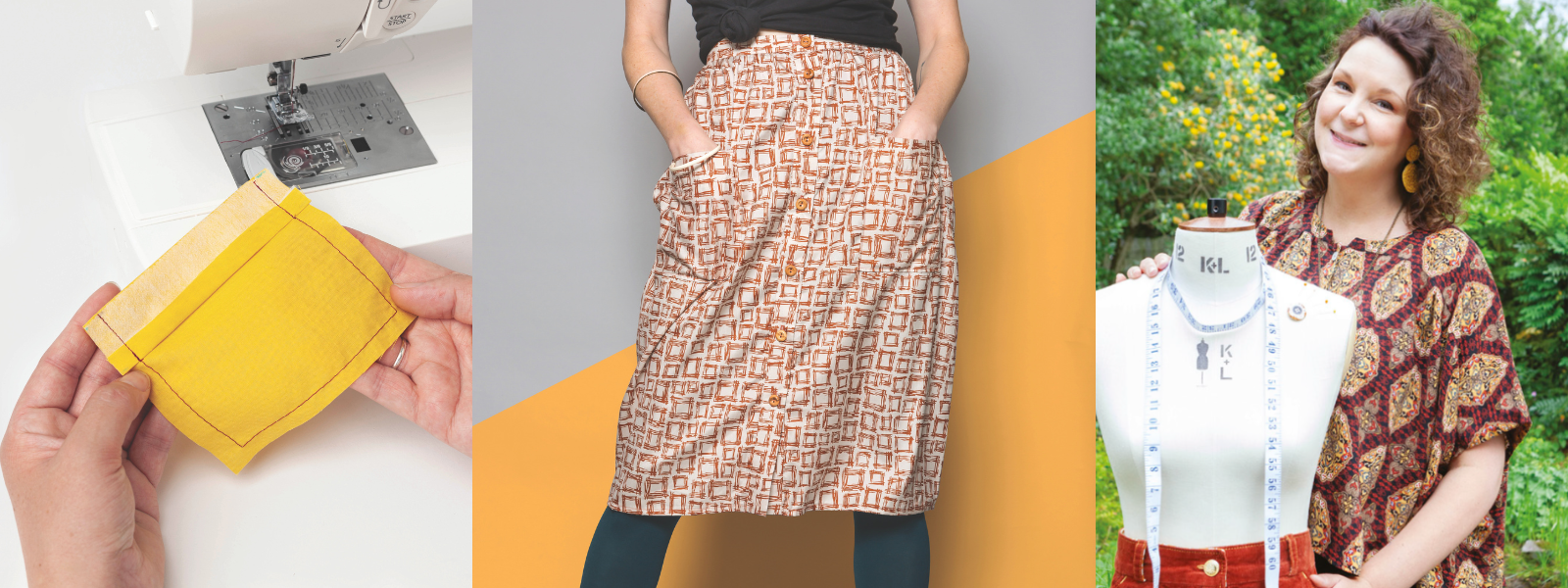
Unlined Patch Pocket | Jenniffer Taylor | Photo Tutorial
Jenniffer Taylor guides you through the best technique for unlined patch pockets.
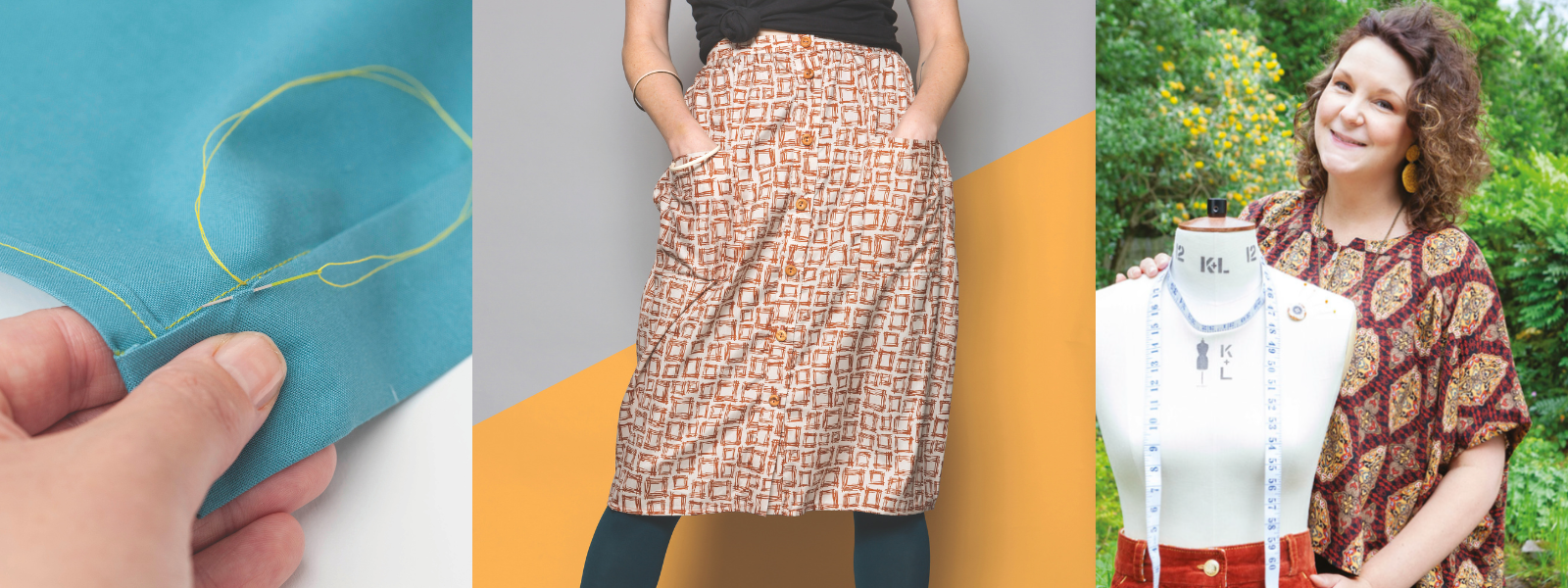
Button Placket | Jenniffer Taylor | Photo Tutorial
A placket is an opening at the neck or sleeve of a garment, or in this case, a way of getting in and out of your skirt, while adding a design feature.
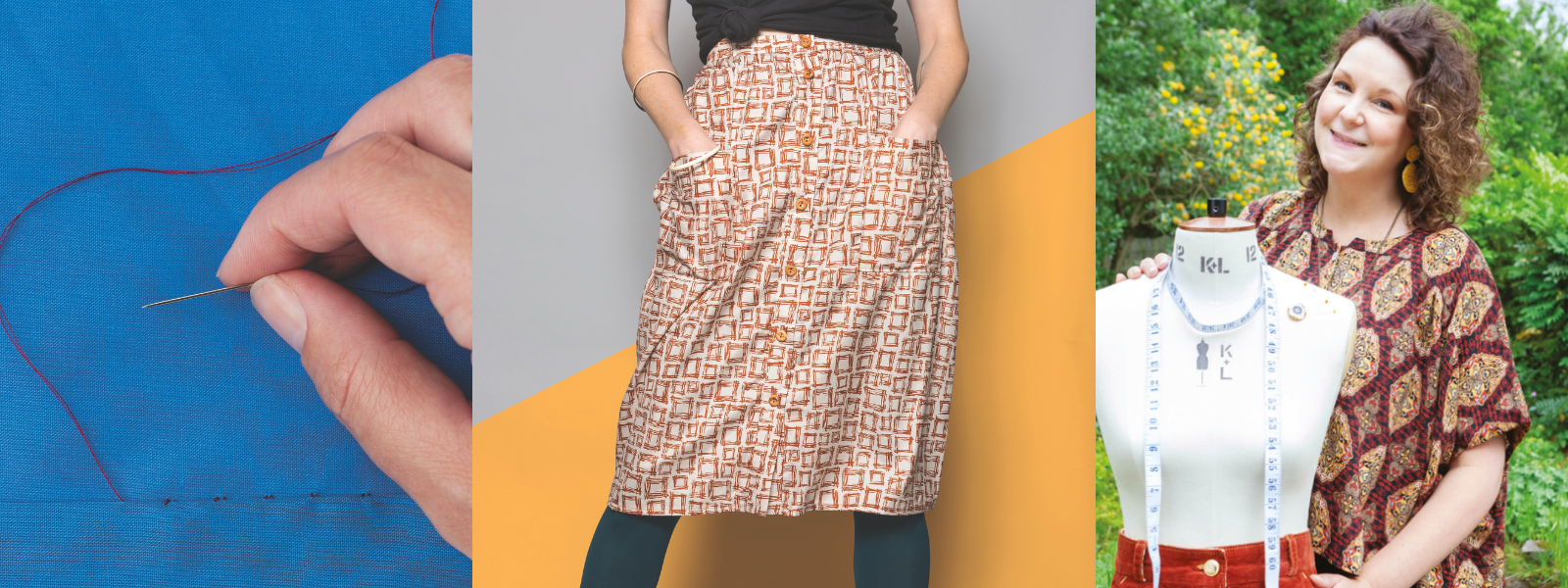
Double Hem | Jenniffer Taylor | Photo Tutorial
Learn how to master a double hem and give your finished skirt a neat result.
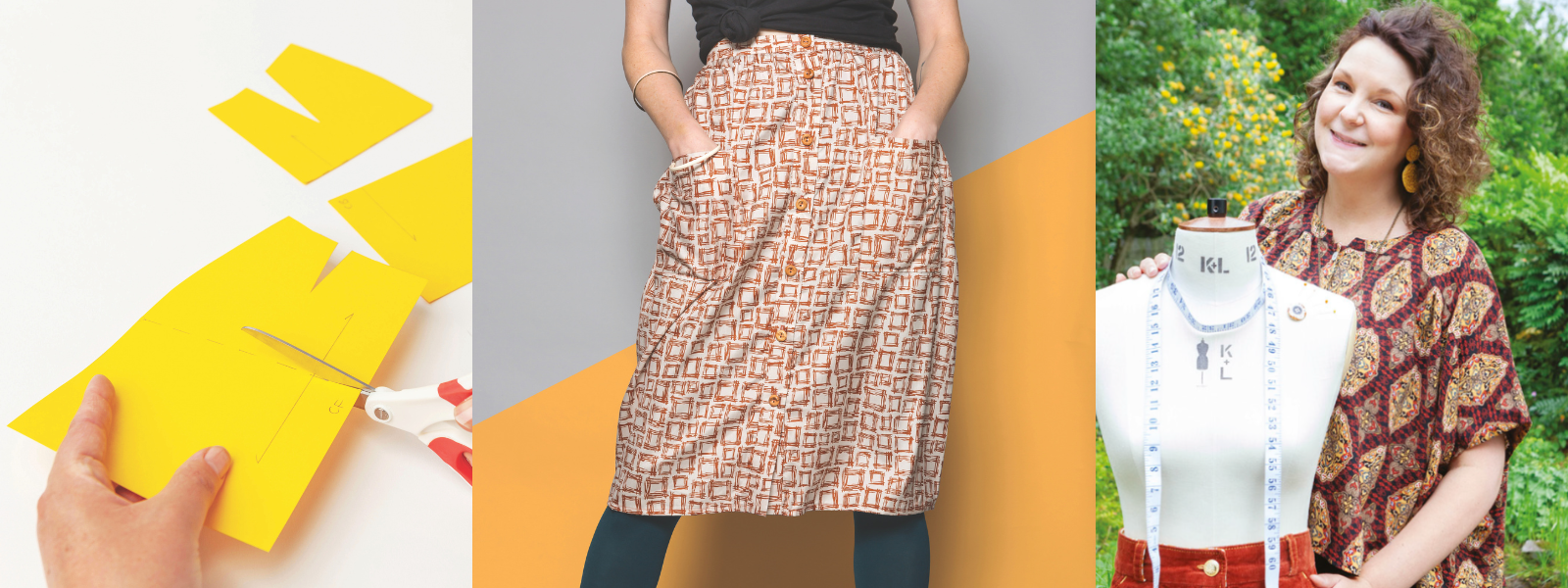
Adjusting Your Skirt Block | Jenniffer Taylor | Photo Tutorial
Lengthen a skirt block with Jenniffer's super handy photo guide!
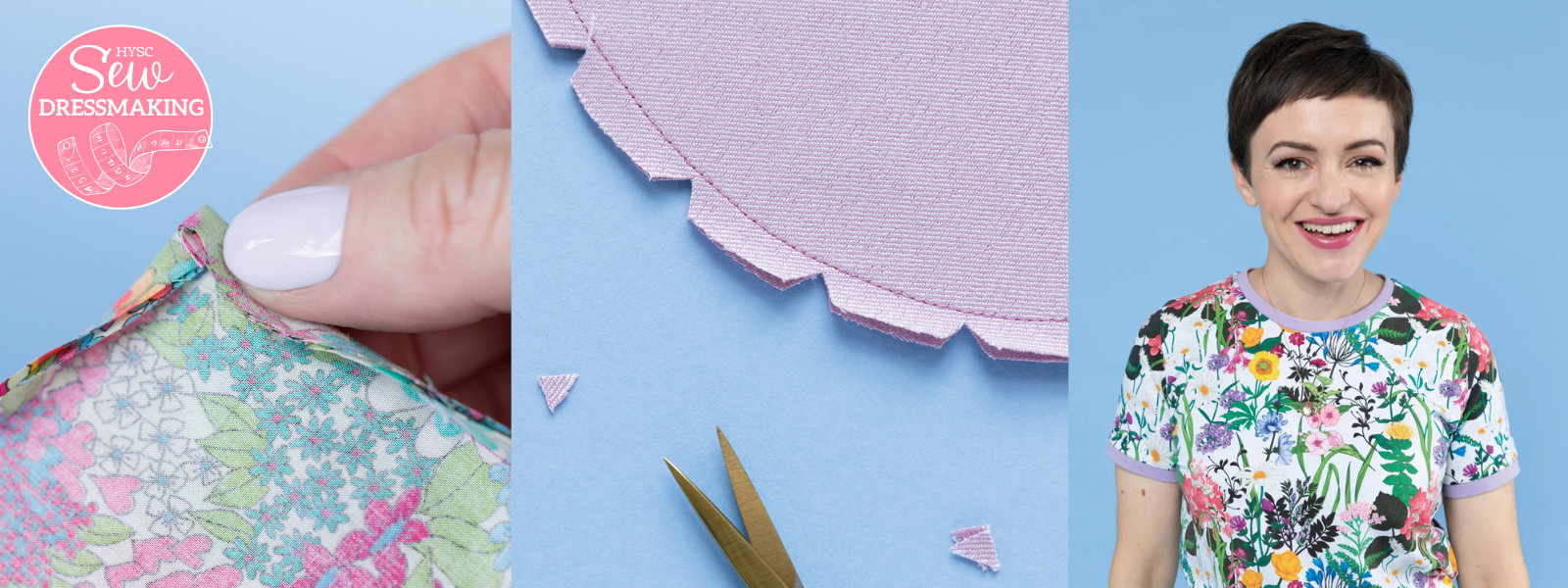
Tilly Walnes' Tips for Neatening Seam Allowances | Photo Tutorial
Want your handmade clothes to look as good on the inside as they do on the outside? These clever seam-finishing tricks will take your makes from “homemade” to “handmade hero”.
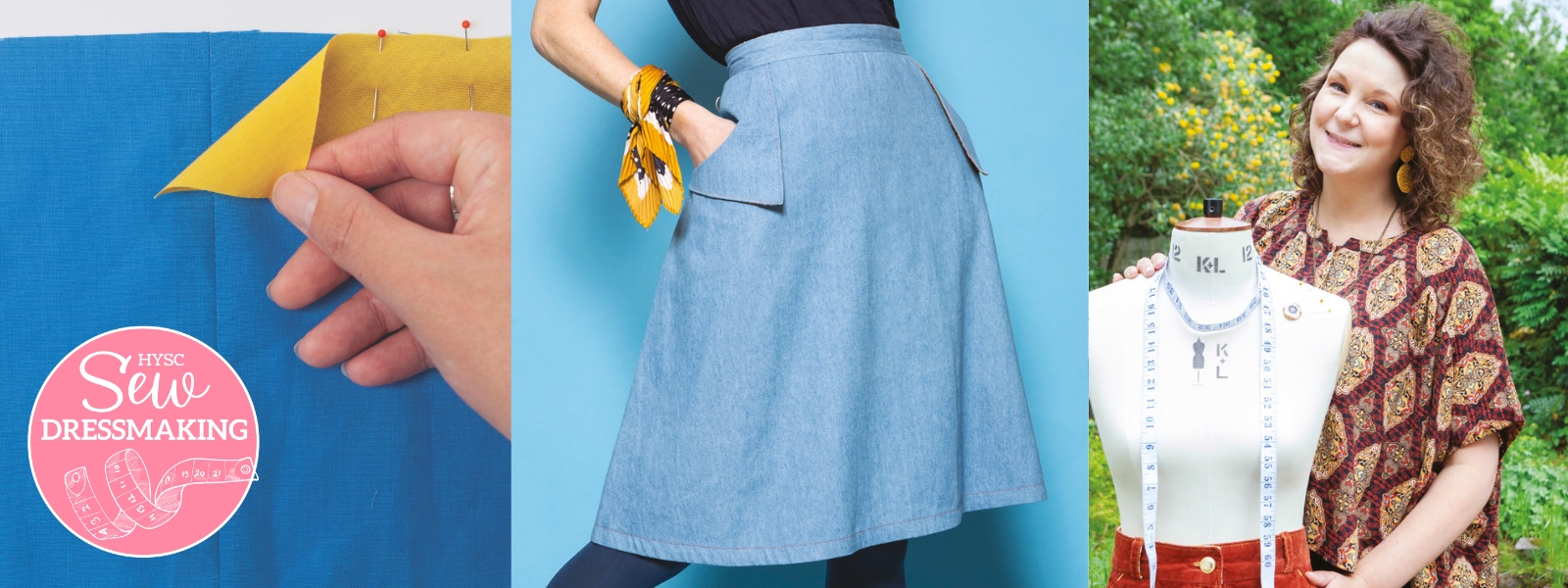
Bound Hems | Jenniffer Taylor | Photo Tutorial
Looking for a hem finish that’s neat, durable and a little bit special? This bound hem tutorial from designer Jenniffer Taylor will help you to add a gorgeous pop of colour while keeping your skirt looking beautifully finished inside and out.
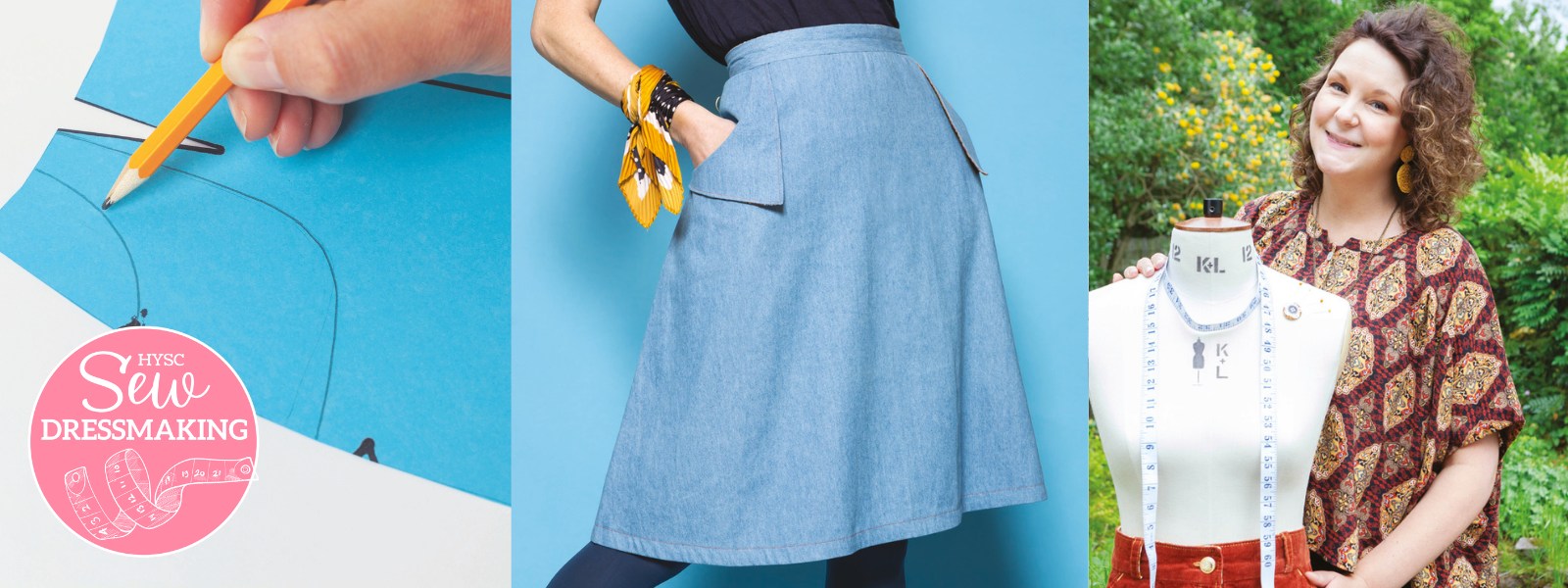
Yoke Pocket | Jenniffer Taylor | Photo Tutorial
If you love a pocket (and honestly, who doesn’t?), then you’re in for a treat with this one. In this tutorial, author Jenniffer Taylor is diving into the world of the yoke pocket – that classic, slightly angled pocket you’ve definitely seen on your favourite jeans and trousers.
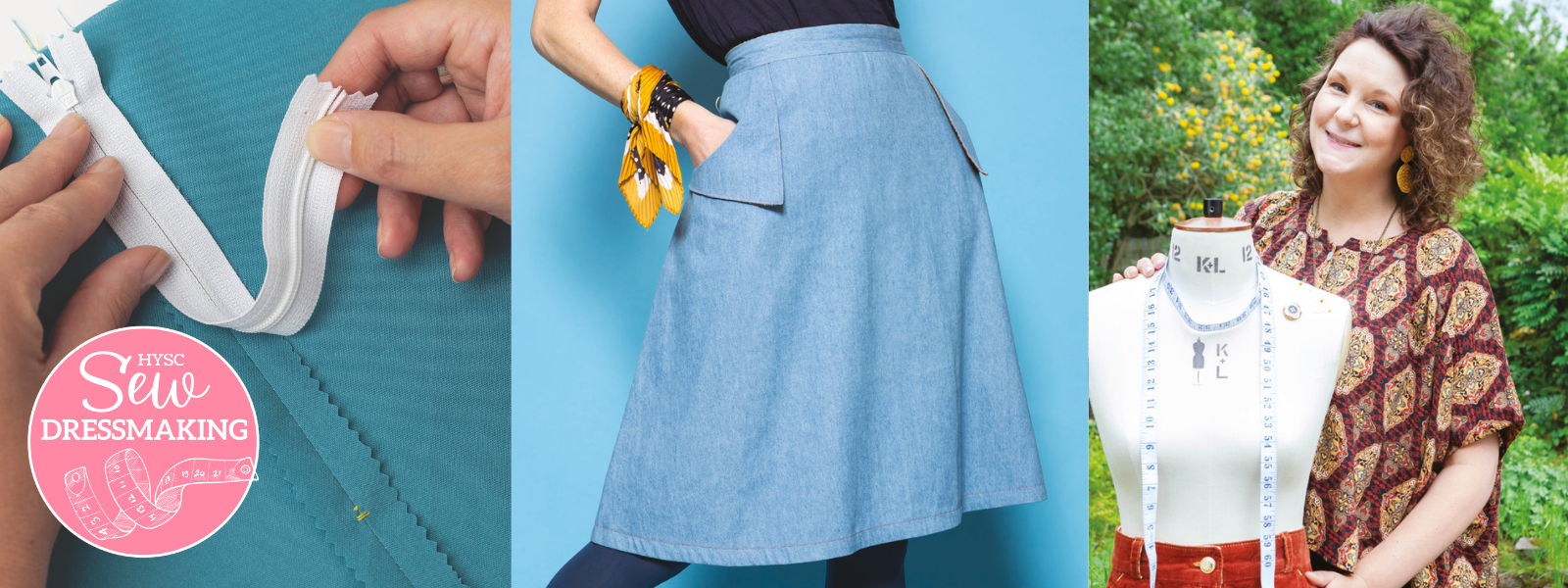
Centred Zip | Jenniffer Taylor | Photo Tutorial
Zips can feel a little intimidating when you’re starting out – but this is the one that will change your mind. If you’ve ever avoided sewing a zip because it felt too tricky, a centred zip is the perfect place to begin. It’s simple, reliable, and gives you a lovely neat finish without too much fuss.
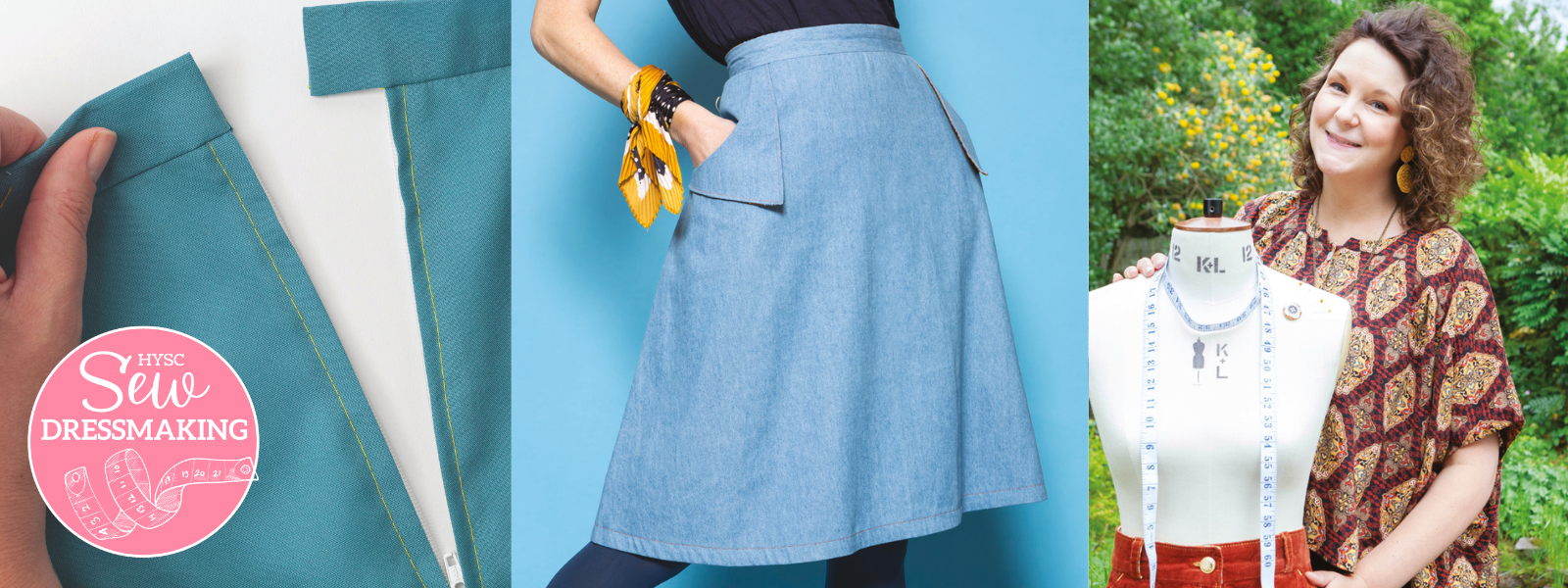
Traditional Waistband | Jenniffer Taylor | Photo Tutorial
In this photo tutorial, author Jenniffer Taylor walks you through how to create a traditional waistband step by step. It’s a technique that works beautifully across all kinds of skirt styles – whether you’re sewing pleats, gathers, darts, or keeping things simple.
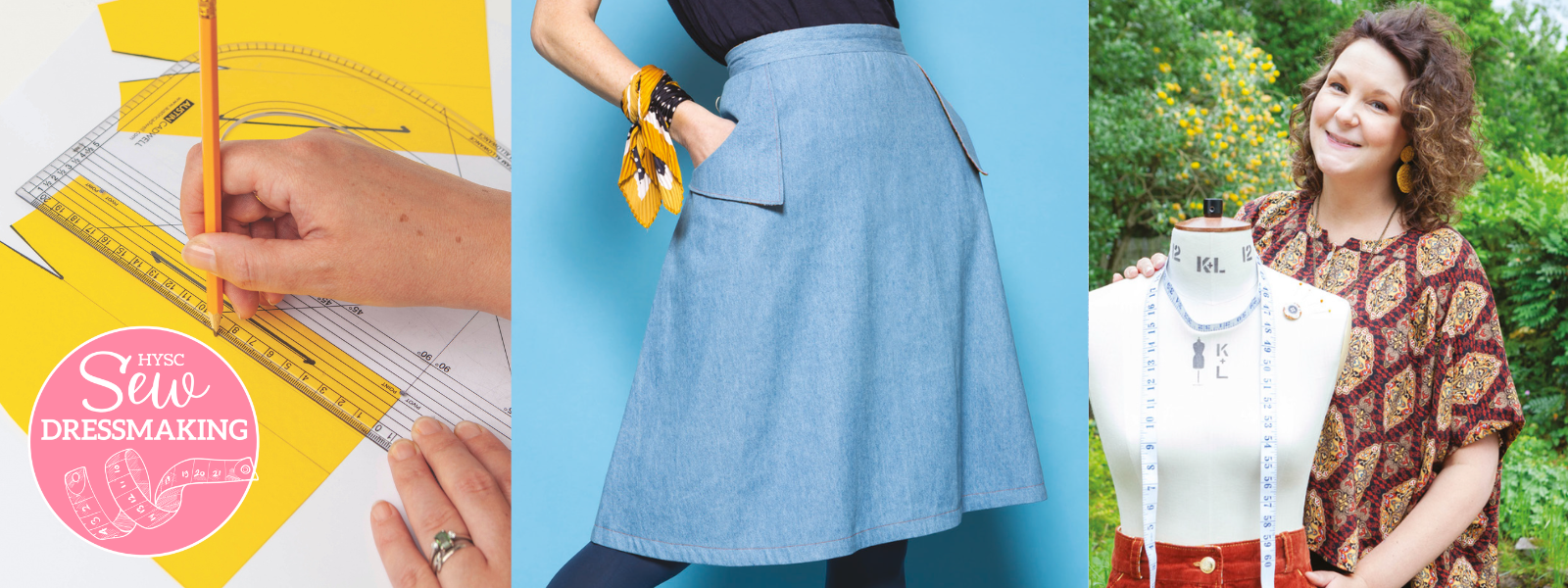
Adapting Your Skirt Block | Jenniffer Taylor | Photo Tutorial
Once you've created your basic skirt block, this step-by-step tutorial by dressmaker Jenniffer Taylor will teach you how to adapt your basic design to create a classic flared shape.
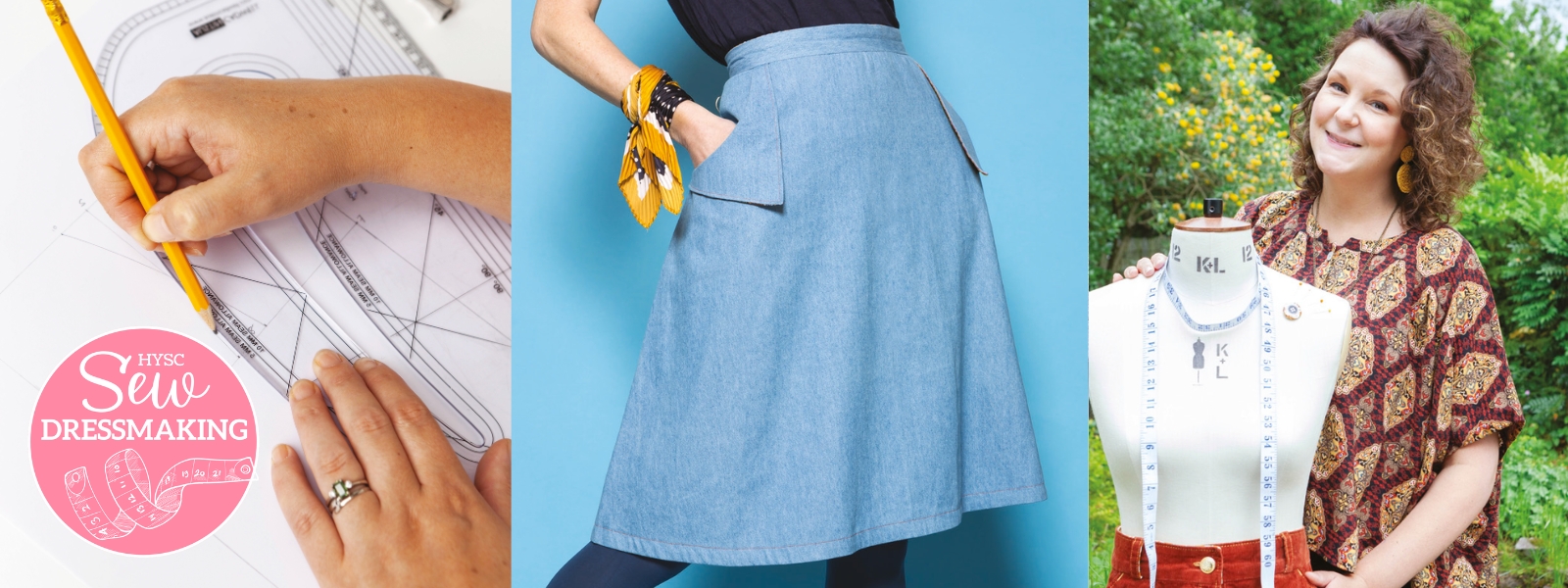
How To Draw Your Own Skirt Block | Jenniffer Taylor | Photo Tutorial
To make your very own Kate skirt pattern with Jenniffer Taylor, start by drawing a basic skirt block. Follow these step-by-step photos, and you’ll see just how simple it is to lay the foundation for your perfect skirt.

Carolyn Forster's Tips for Pressing Patchwork | Photo Tutorial
Pressing may not be the most glamorous part of quiltmaking, but it’s one of the most powerful tools in achieving beautifully flat patchwork and polished results.
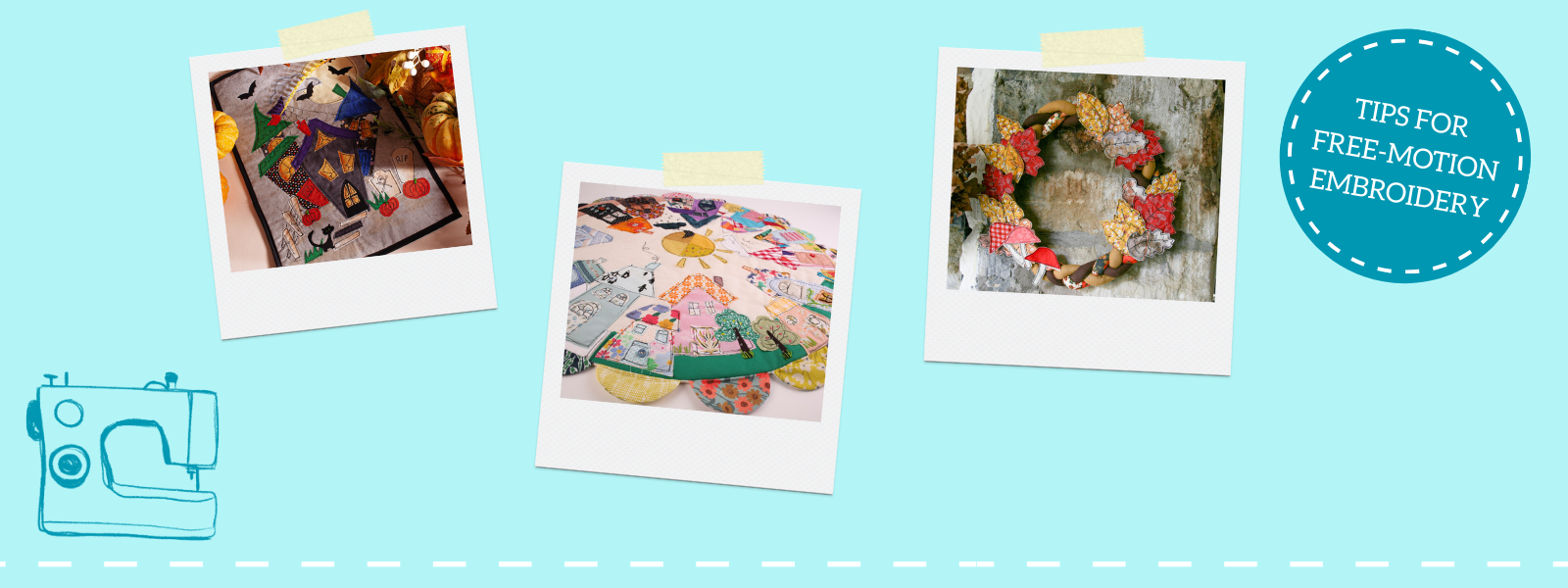
Debbie Shore's Tips for Free-Motion Embroidery | Video Tutorial
Intimidated by free-motion embroidery? No need to be! Follow this video filled with Debbie Shore's tips and you'll be an experimental embroiderer in no time!

How to Sew a Twin-Needle Hem
Twin needle sewing is perfect for stretch fabrics – here are my hints for sewing a twin-needle hem. This kind of hemming can also be used decoratively too.

Hong Kong Seams
Add a pop of colour and a professional finish to your seams using this tried-and-true technique. These are bias-bound and easier to complete than you think.
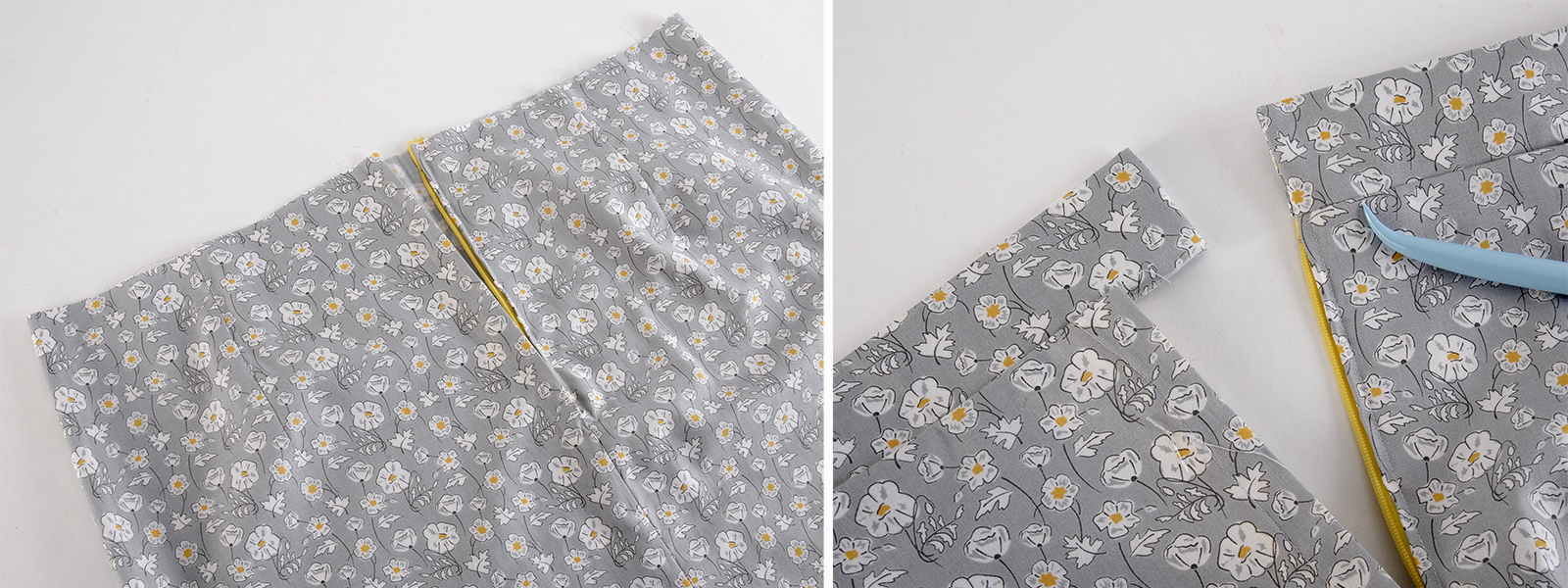
Waistbands
There are many different styles of waist bands, grown on, elasticated, corded to name a few, but here I’m going to show you a classic overlapping waistband, using interfacing to give a crisp finish.
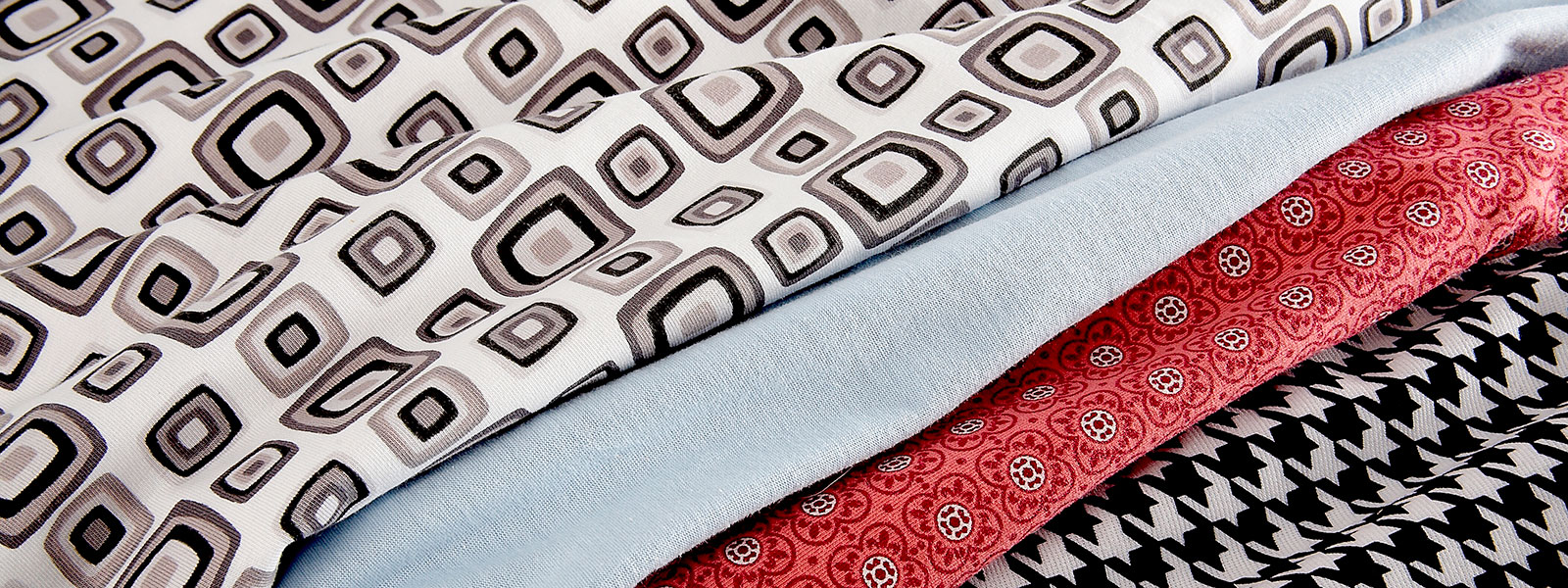
Sewing with Knit Fabrics
Knitted fabrics can create the most relaxed, comfortable clothing but can also be a little intimidating, so weather it’s dresses, shorts, leisure wear or t-shirts, here’s a few pointers to help you sew the perfect seam!
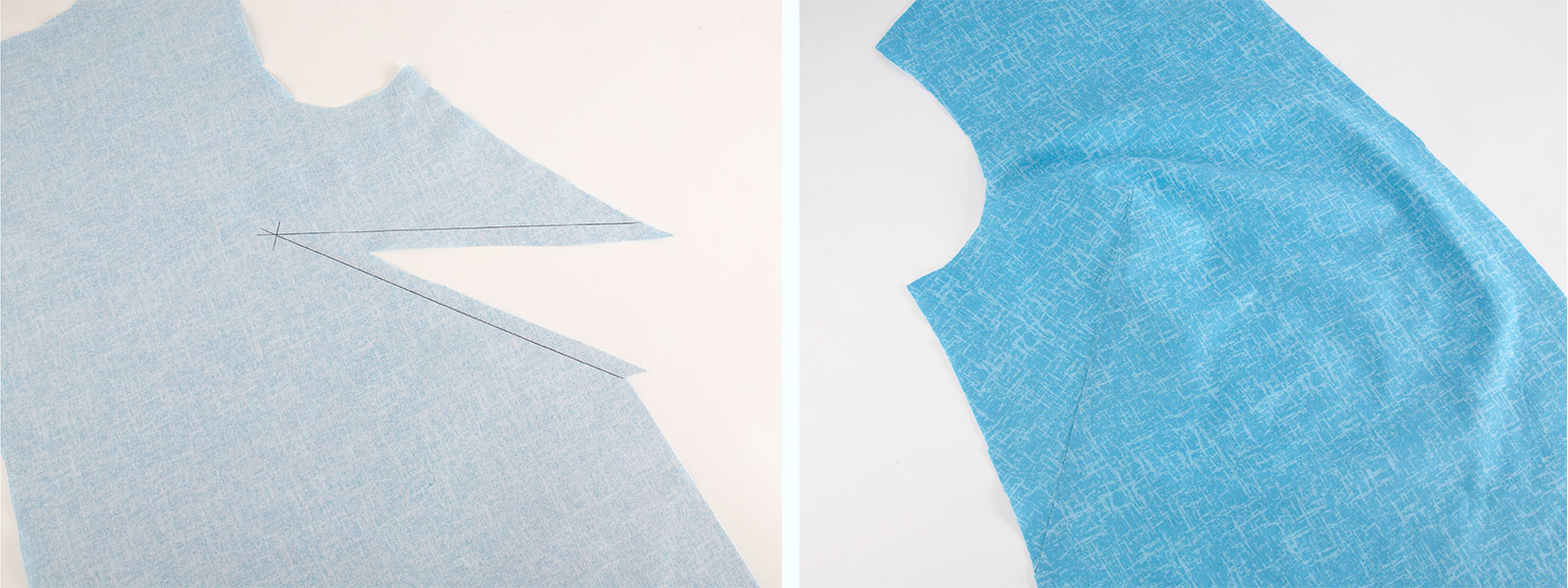
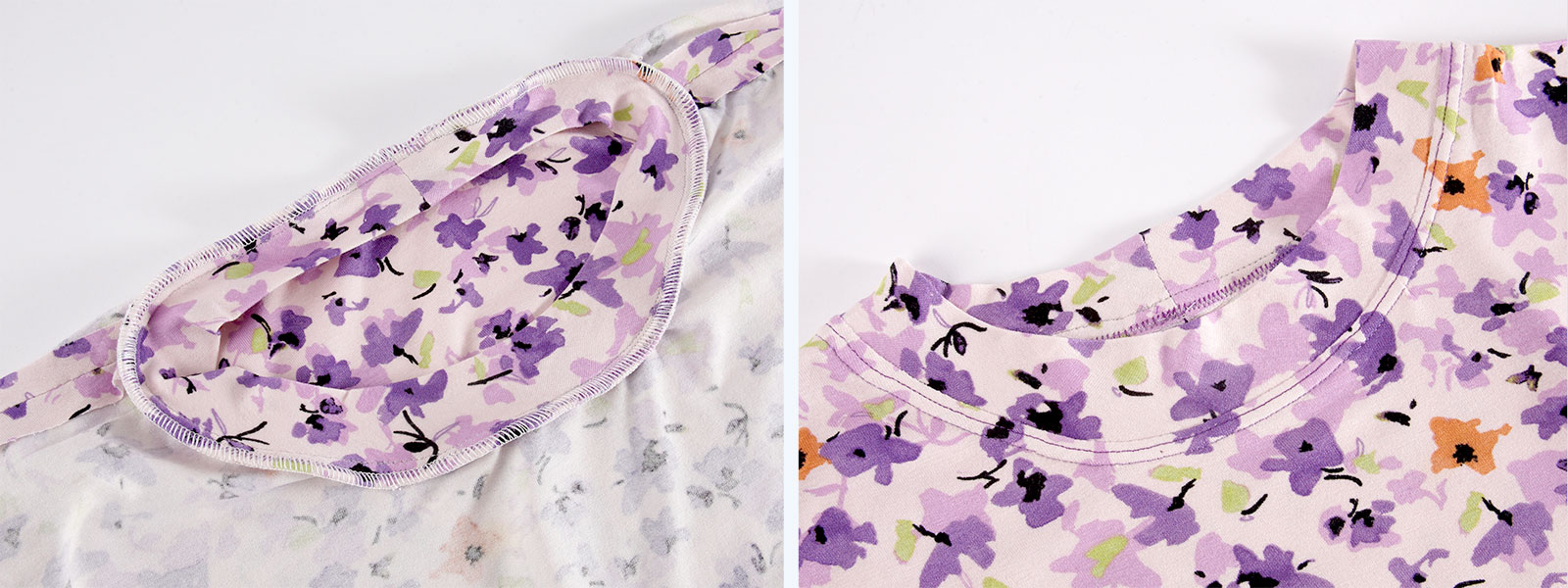

Hand-sewn buttonholes
Hand sewn button holes add a tailored, home made look to a garment, and can be a striking feature when a contrast colour thread is used.

Working with Stretch Bias Binding
It's simple and cost-effective to make your own bias binding, and you'll always have the perfect colour match!

6 tips for steaming
Pressing creases into fabric is best left to an iron, but removing wrinkles particularly on finished garments is a perfect job for a steamer!
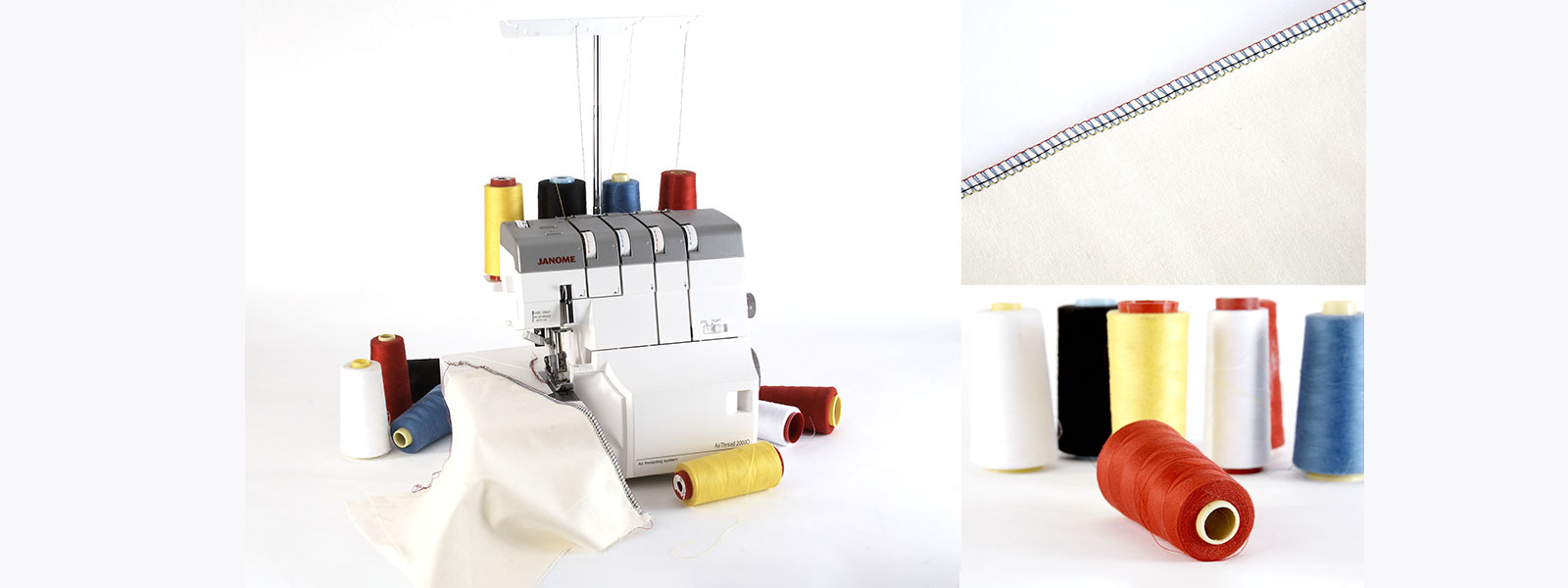
Overlocker tips
Overlockers/sergers are a great investment for finishing the seams of garments, working with stretch fabric and giving a professional finish to anything you gift or sell.

Turning up trouser legs
Whether it's for ready-made trousers or ones you've stitched yourself, there'll come a time when you need to turn up a hem – or two!

Adding Patch Pockets
Here's my method for achieving the perfect pocket, no matter how many you add!
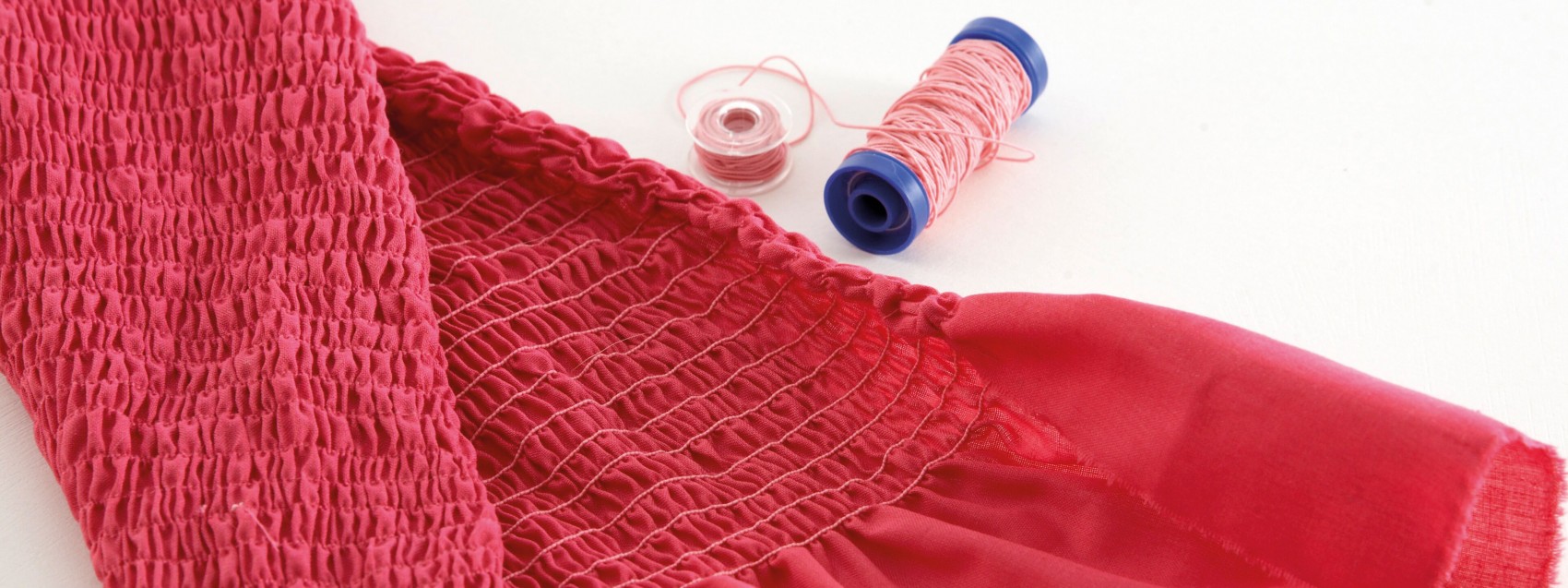
Using shirring elastic
Shirring is a method of sewing with fine elastic thread in the bobbin of your sewing machine. As you sew in rows of straight lines, the fabric becomes ruched and stretchy.
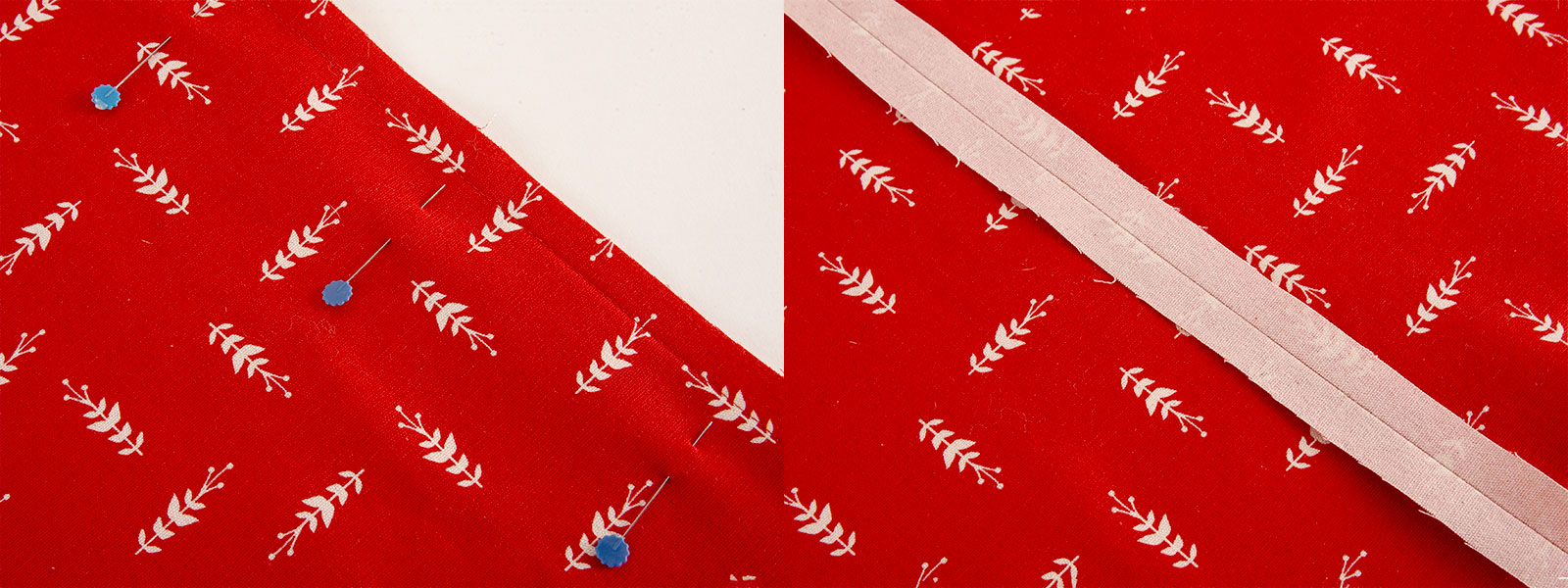
Flat felled seams
A flat felled seam is used to strengthen the seams on garments that tend to take a bit of stress, like the inside leg seam of jeans, or children's wear.

Adding rivets and press studs
No matter what it is, a little bit of hardware will give your project a shop-bought look.
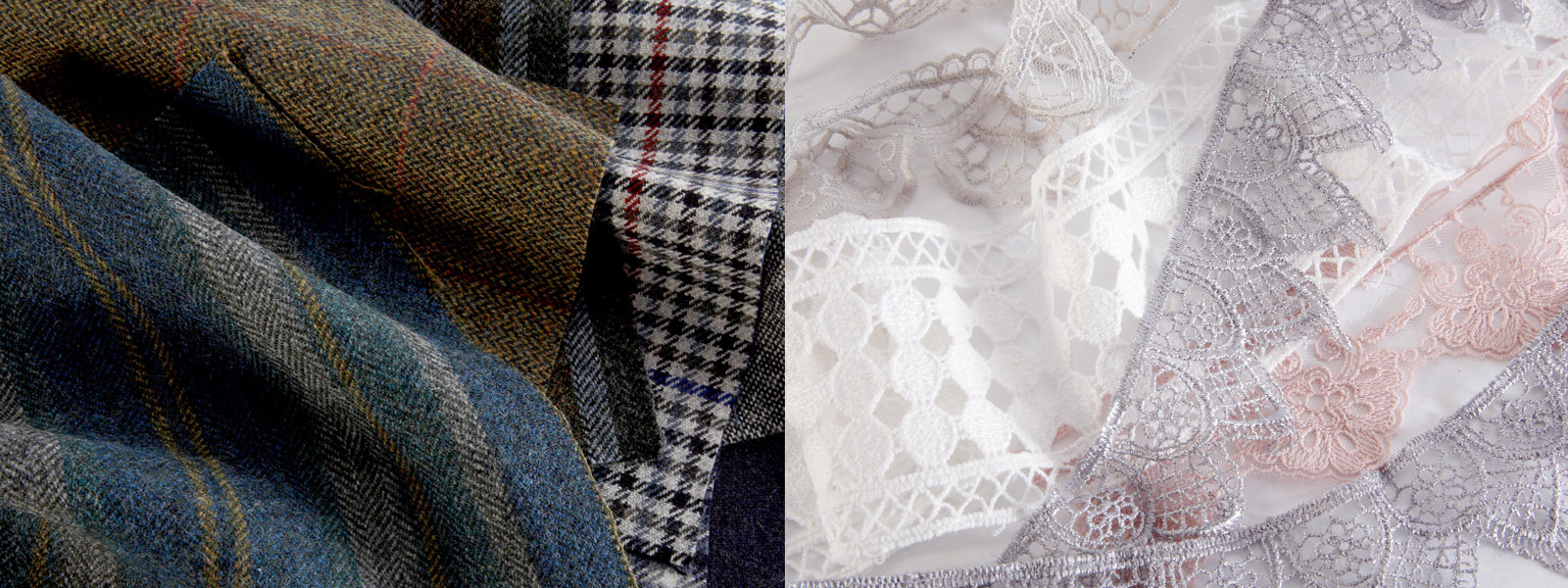
Preparing wool and lace for sewing
Wanting to sew with wool fabric and lace? Here are a few tips that are handy to know, before you get stuck in!

Tips to prevent fraying
Struggling to stop the edges of your fabric fraying? Here are a few methods I use to ensure my projects have a professional finish.

Sewing with perfect tension
Struggling with your sewing machine tension? Here are a few tips that can help.
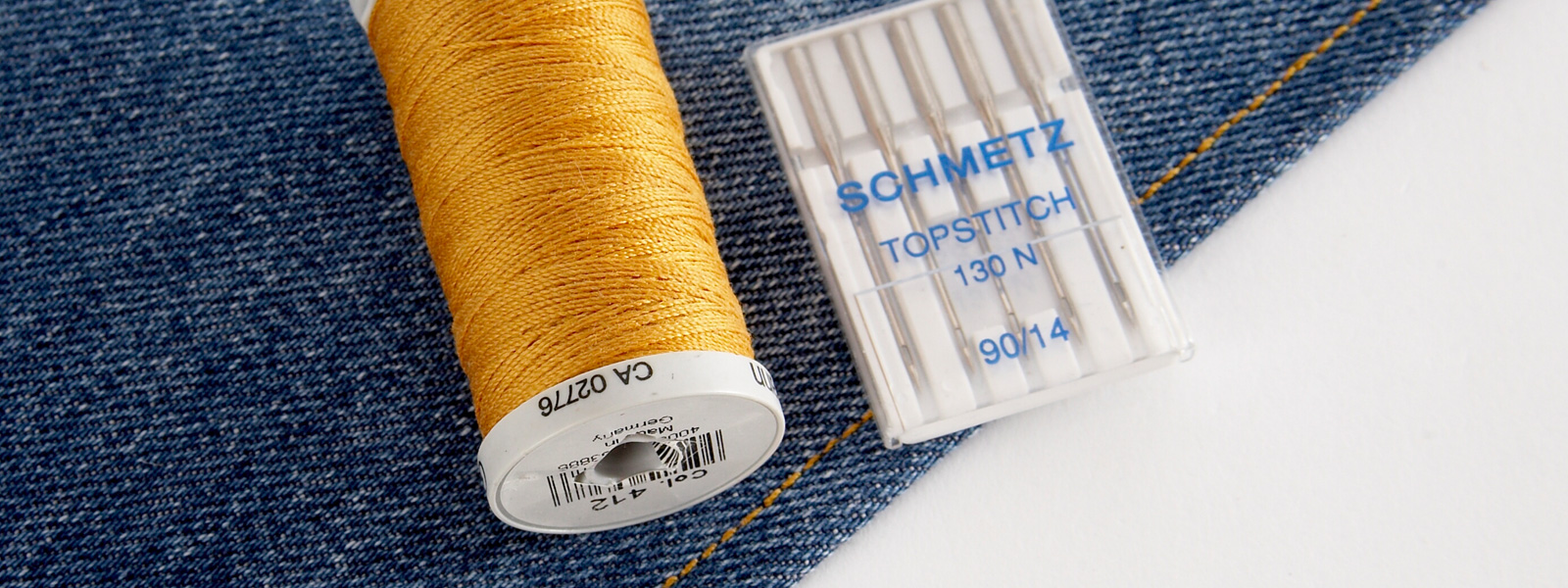
Top-stitching tips
Want to learn a little more about top-stitching? Here are six key things to remember!

Simple pattern matching
Whether it's curtains, sofa cushion covers or a long bench seat where your fabric isn't quite large enough, here is a quick and simple way to pattern match and join several large pieces of fabric together, and hide obvious seams.

What is a toile?
Here is the key information you need to know, plus some handy hints, if you're getting into dressmaking.

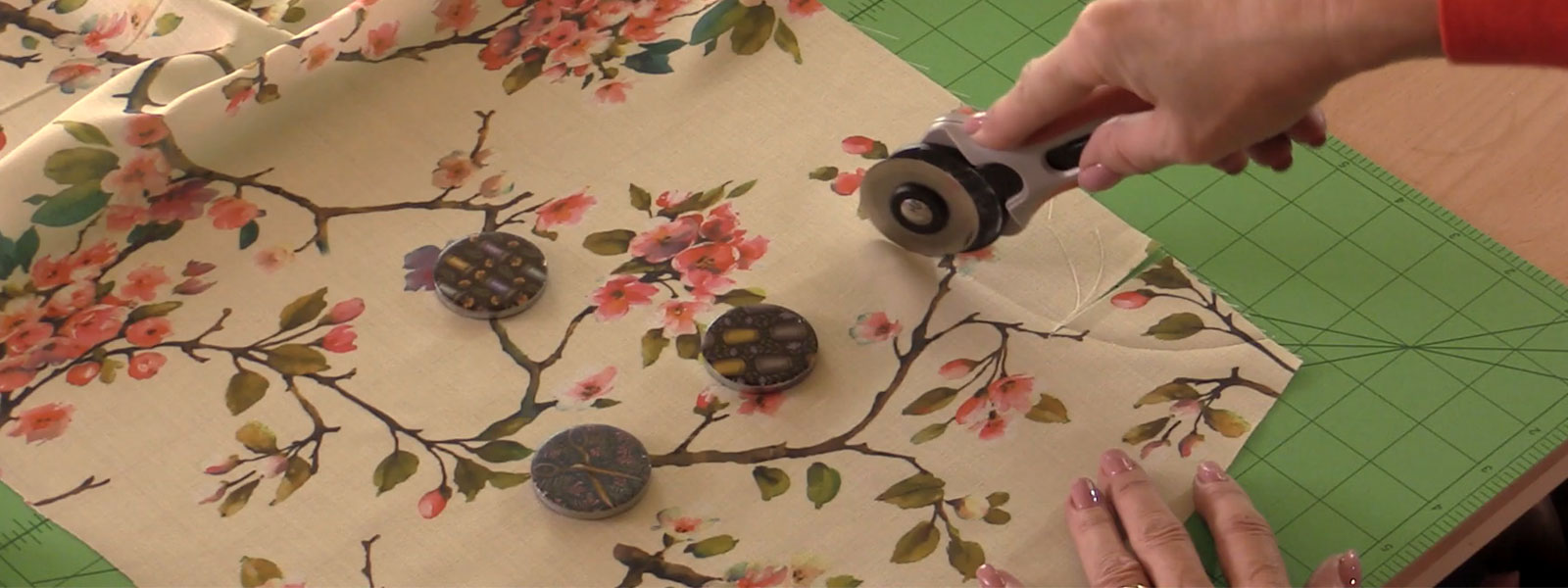
Sewing with viscose
Nervous about sewing with viscose? Don't be! Viscose is a great alternative to expensive, slippery fabrics as it creates a similar drape. Here are a few tips to get you started.
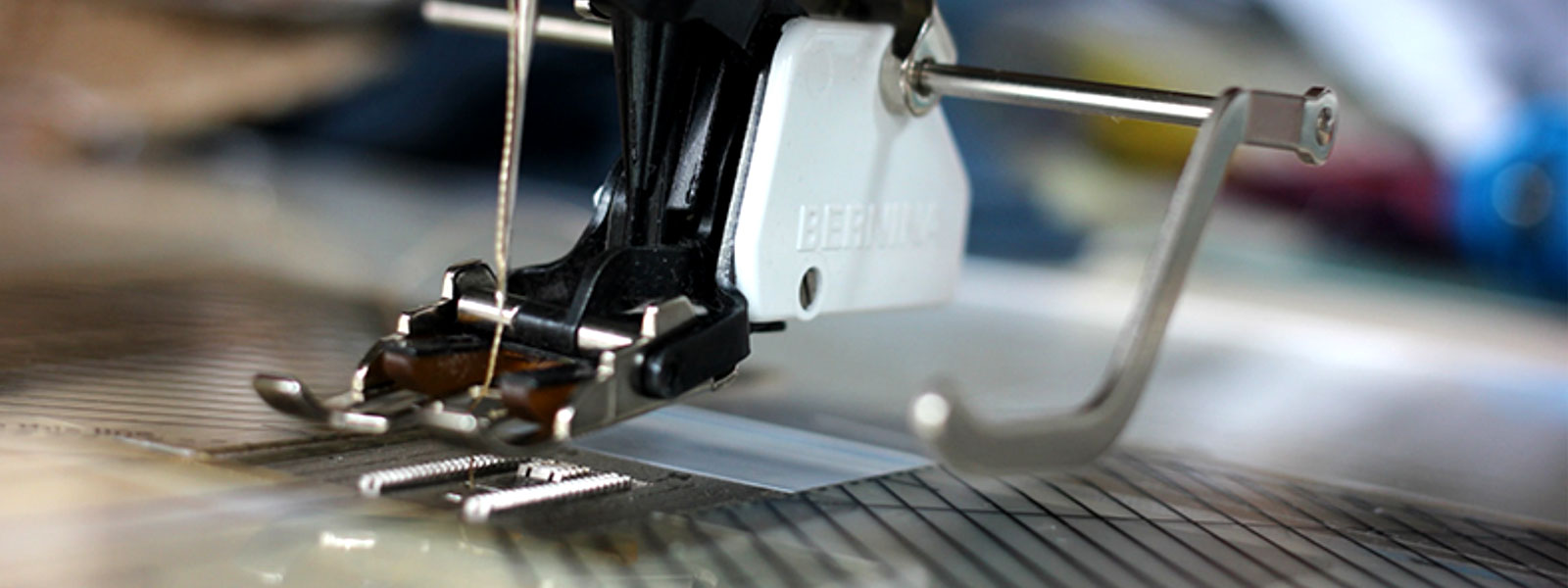
Walking foot
An even-feed or walking foot doesn't always come with your sewing machine, but is an invaluable investment in your sewing journey.
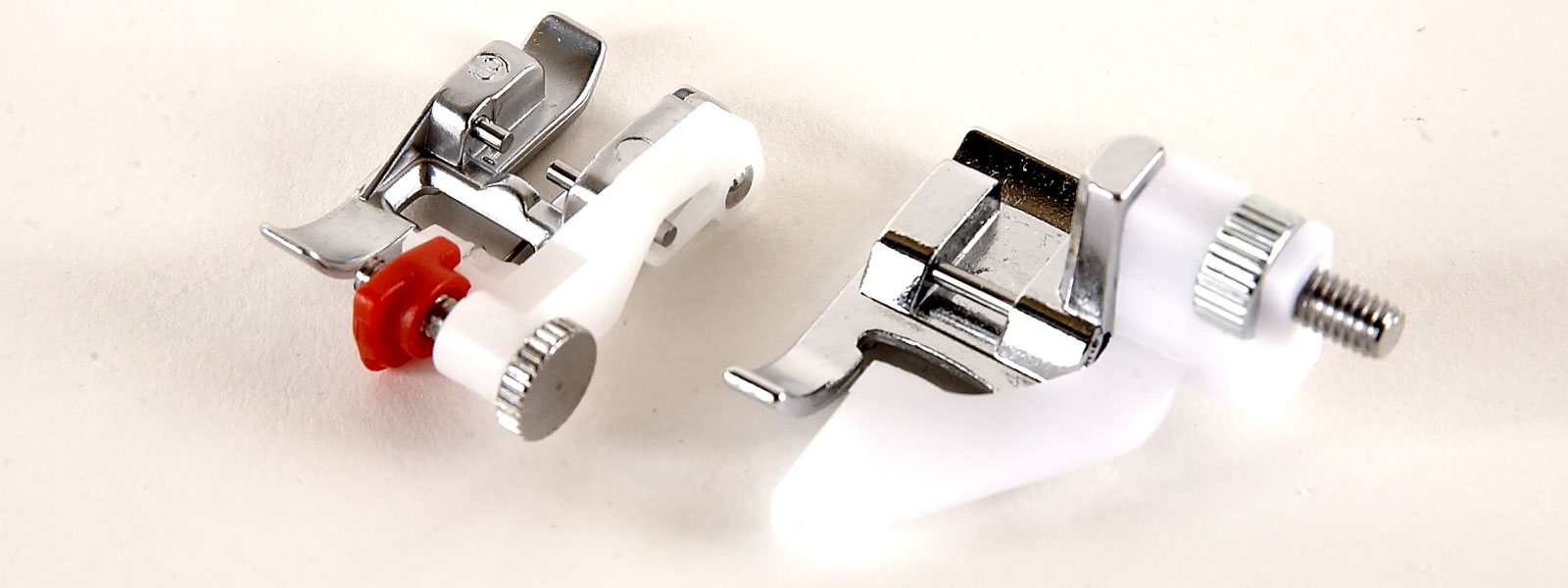
Blind hem foot
This foot is perfect for sewing near-invisible hem stitches for garments or items that need hemming, or even for decorative stitching on appliqué.
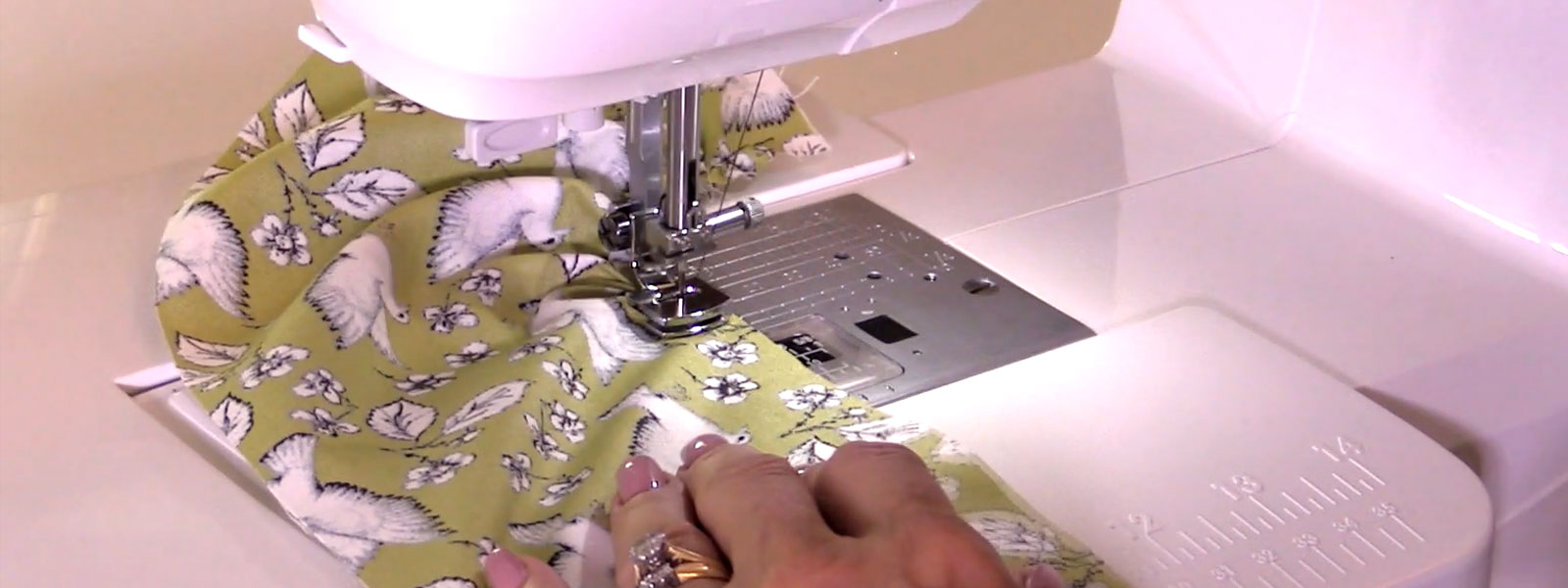
Gathering foot
Looking for a quick way to gather your fabric without making multiple stitch lines and pulling thread? A gathering foot is ideal for making soft gathers in your fabric in no time at all.
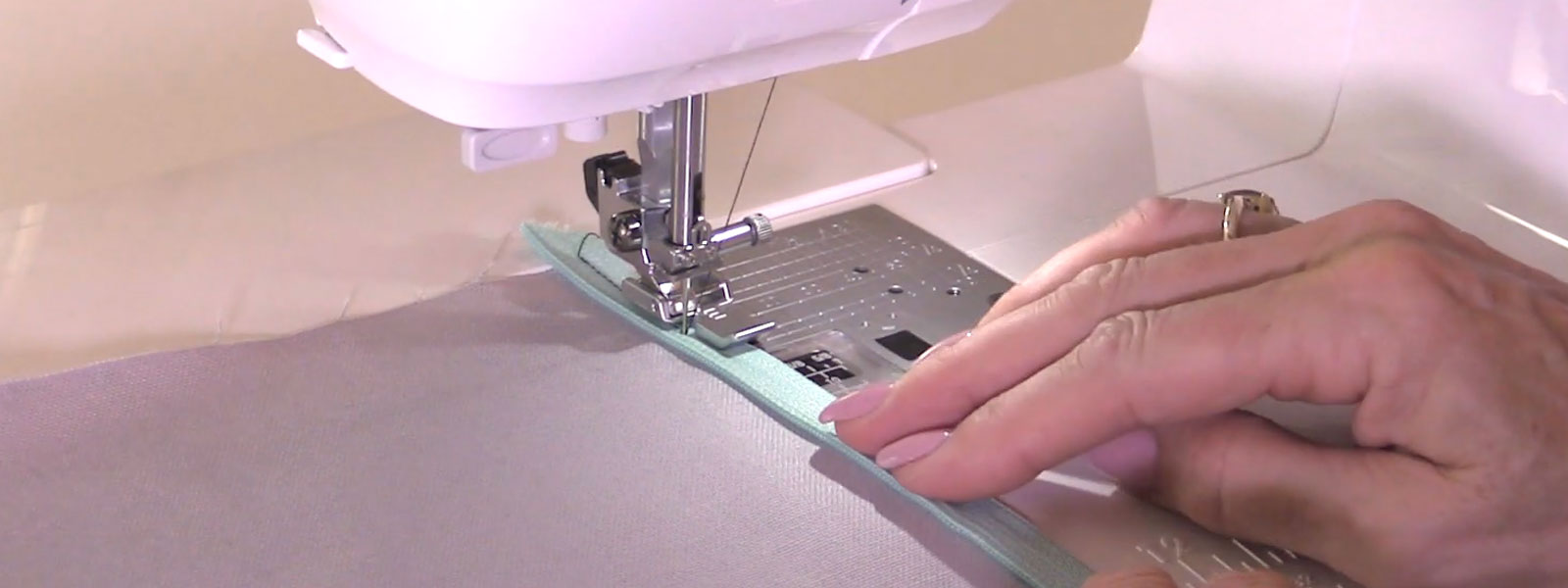
Zipper foot
Most sewing machines will come with a zipper foot, and it's an invaluable foot to have for sewing. It's also not just for sewing in zips!

One step buttonhole foot
Struggling with making a buttonhole on your sewing machine? Here's a quick and simple guide to how to use a one-step buttonhole foot!
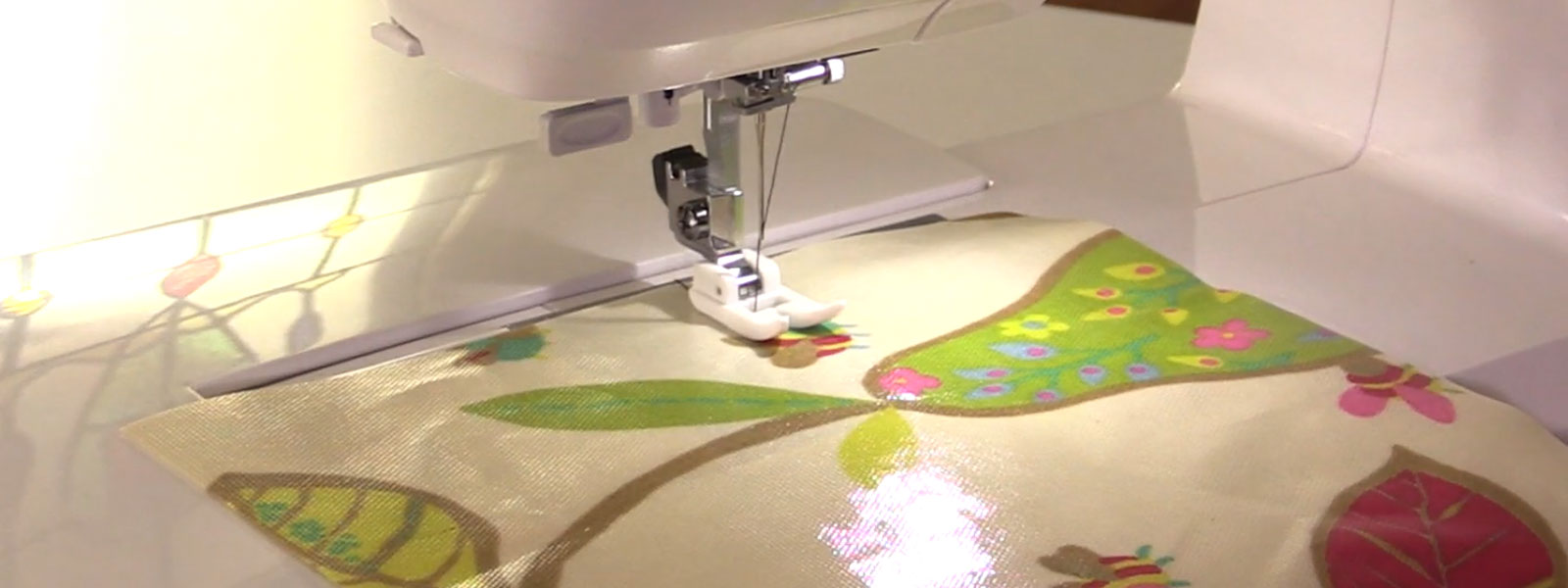
Non stick foot
Working with laminated fabric or leather? A non-stick foot is ideal for reducing friction, and allowing your fabric to move through your machine smoothly.

Sewing through laminates and vinyl
Keen to sew with laminate fabrics and vinyl, but not sure where to begin? Here are some tips on how to get started!
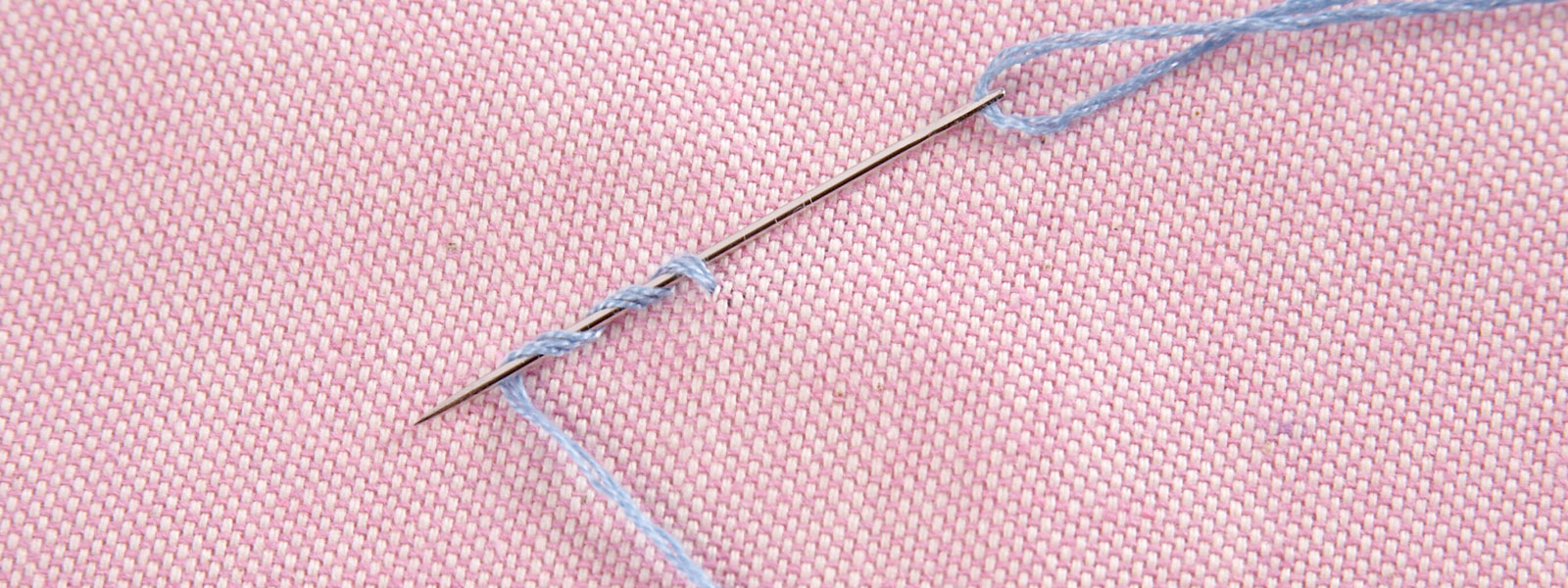
French knots
A French knot is a useful little stitch when creating flowers or tiny eyes on toys.
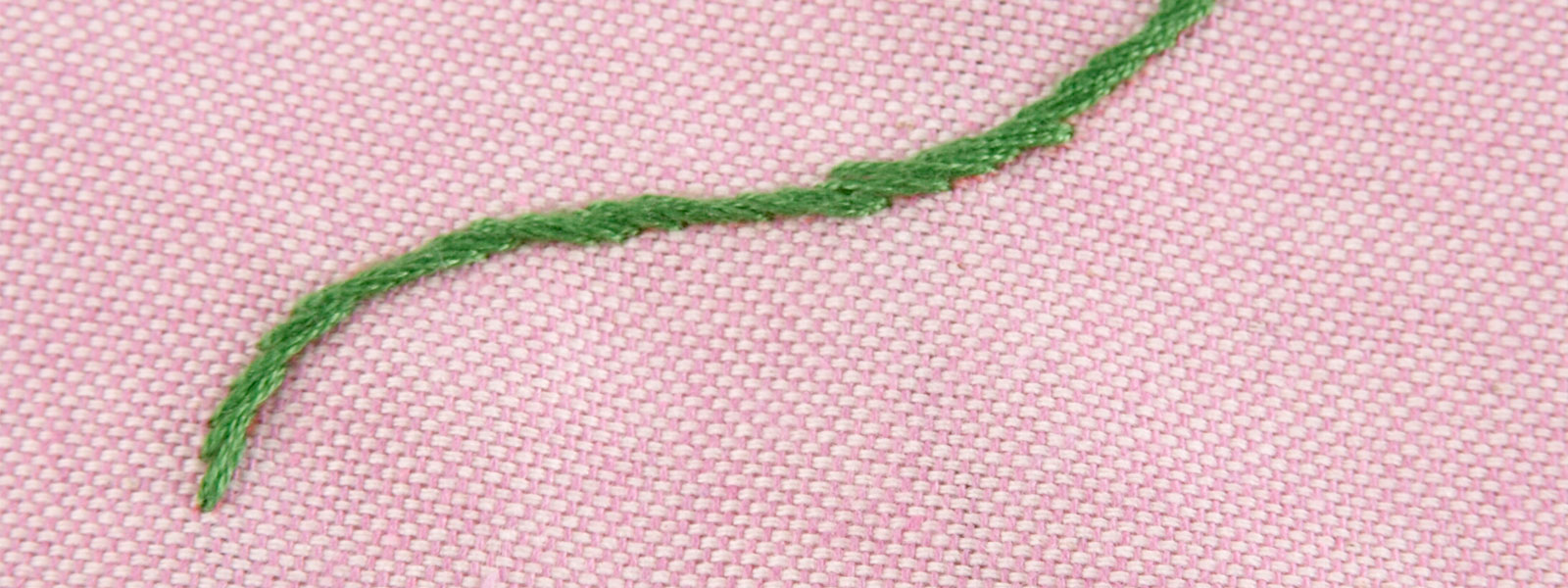
Stem stitch
Not just for flower stems, this hand-embroidered stitch makes a useful border or outline and can easily be used for lettering.
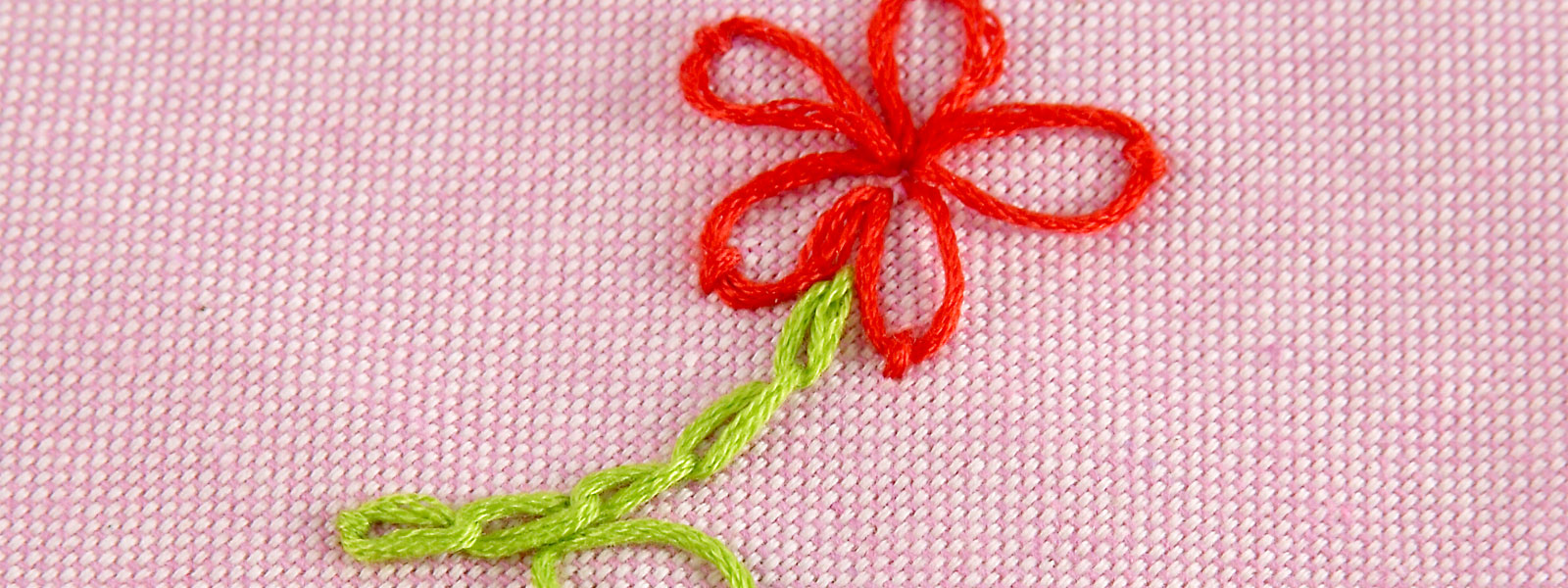
Lazy daisy stitch
This simple stitch can create pretty flower accents to many projects such as dresses and bags, or a simply a bunch of flowers embroidered in a hoop!
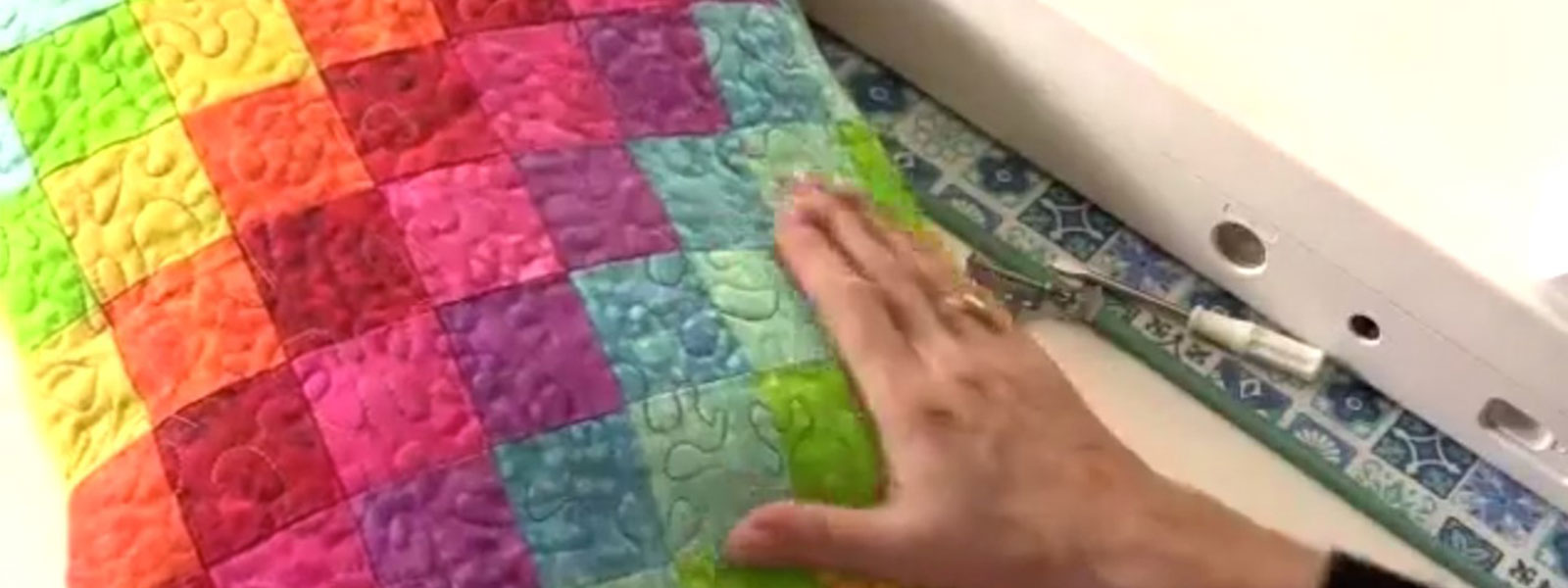
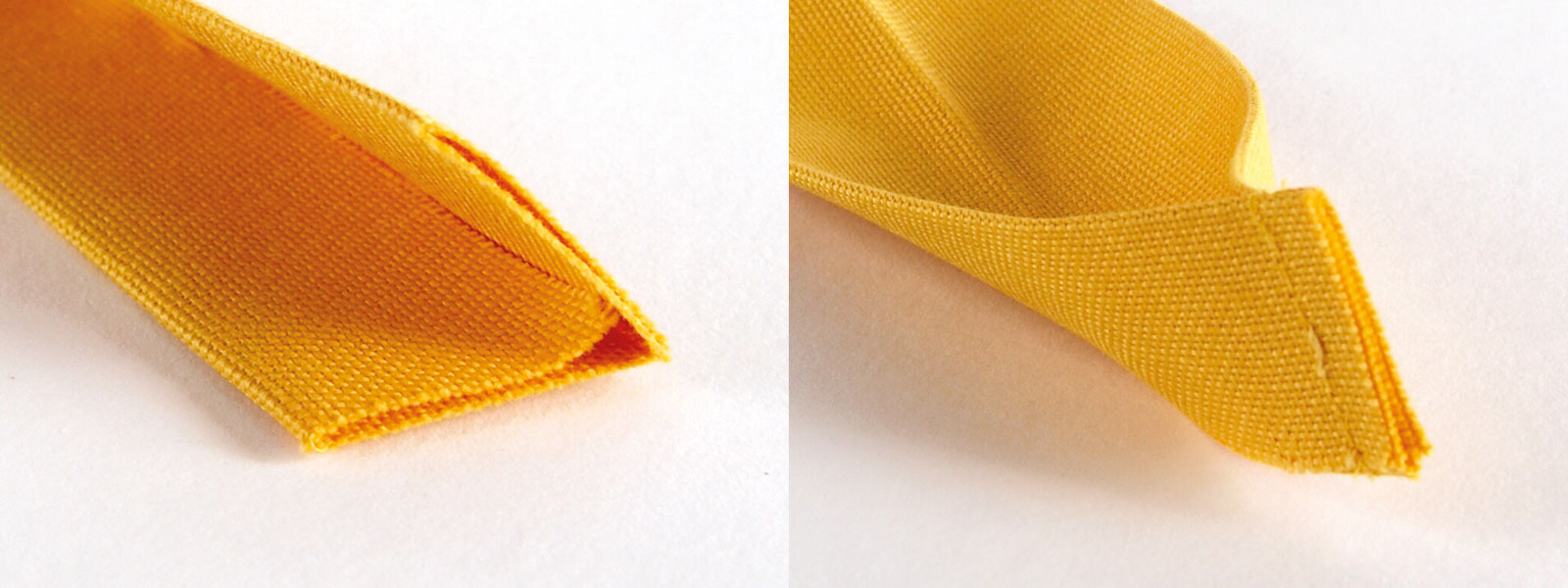
How to make bag straps
Need a little help with making fabric straps for your bag? Look no further!
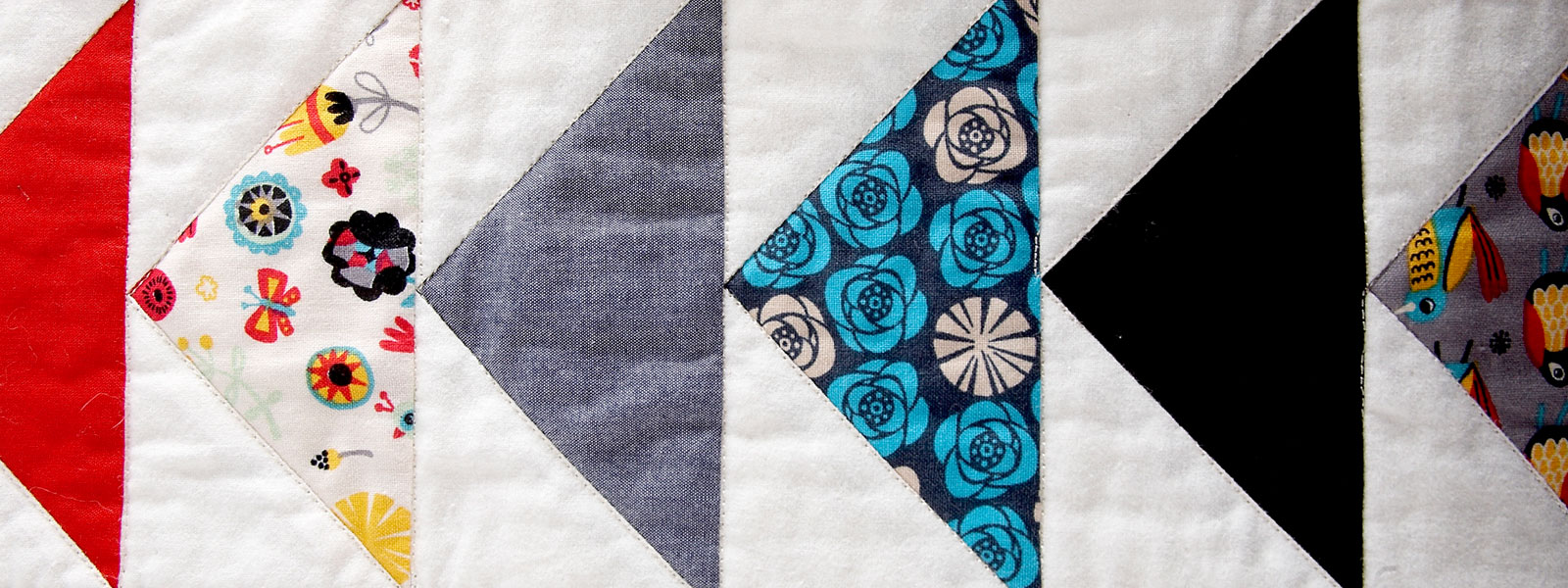
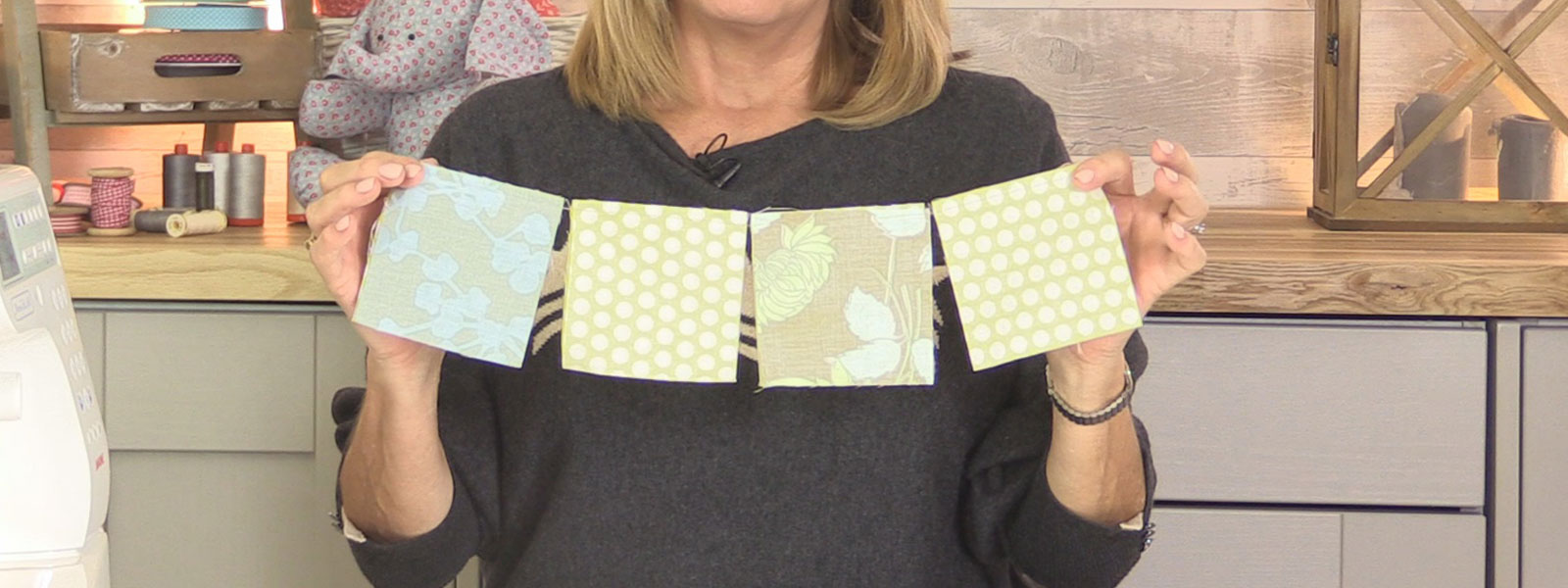
Chain piecing and nesting seams
Save thread and time when sewing your patchwork and quilting projects, using this simple, sew-in-one-go method!
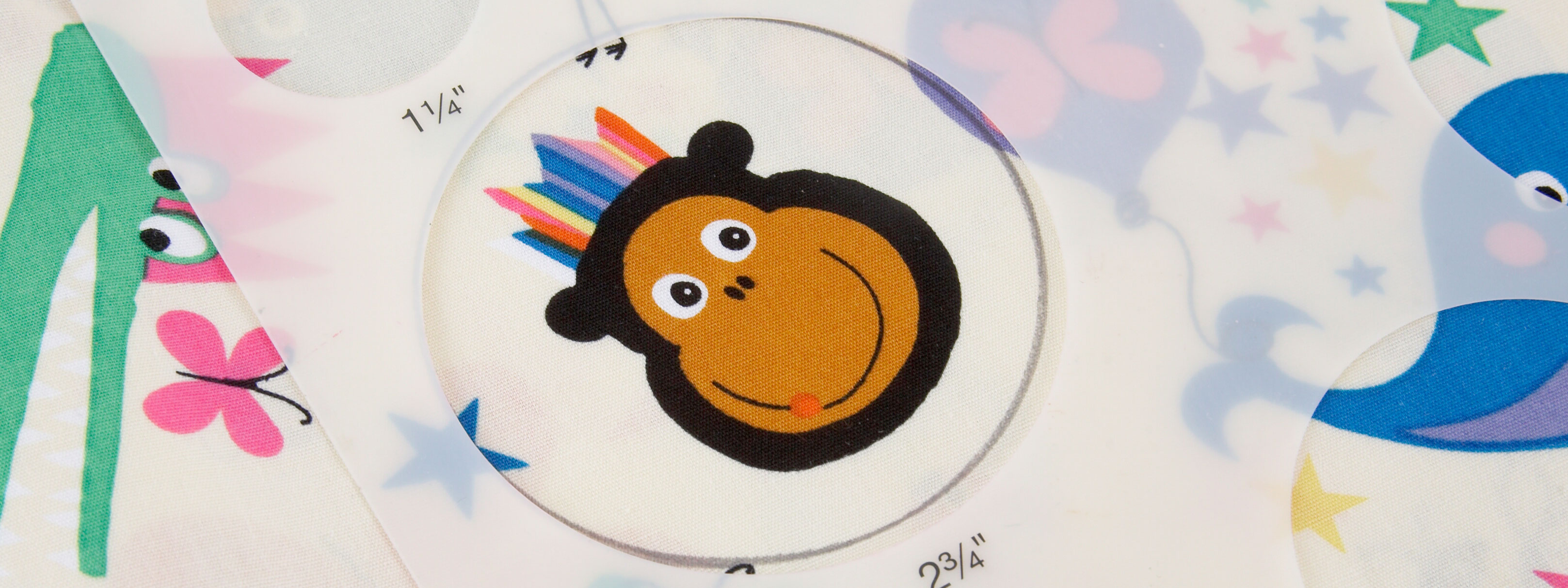
Fussy cutting
Love a motif or pattern? Cut around the shape to make it a feature in one of your makes!

Split Quarter Square Triangles
Split quarter square triangles are a great way to start making more complicated quilt designs!



Sewing with laminated fabrics
Today, laminated fabrics are available in many different weights and finishes and lots of fun prints and colours.

Dressmaking stitches
There are some types of stitching for dressmaking that beginners may not recognise!


Lengthening and shortening patterns
For the perfect fit, you may need to change the length of some of your pieces!

Hand sewing for beginners
No matter how much you enjoy sewing with your machine, there will always be a time when hand-sewing is needed.

Bust adjustment
Most patterns are sized for a B-cup; if you need a different size, this technique is for you!

Hip adjustment
Adjusting the hip measurement is one of the easiest ways to tailor your garments!

Transferring pattern markings
Transferring pattern markings accurately is a key step in producing a well-finished garment.

Pattern markings
Pattern markings help you to really understand your pattern's construction - here's how to read them!

Pattern instructions
Work through your pattern instructions one step at a time, and you'll find the construction much easier!

Pattern packaging
Once you've measured yourself, your pattern packaging will give you lots of useful information.

Sewing with real or faux leather
You'll find leather is quite easy to sew with if you follow just a few basic rules.

Measuring yourself for a pattern
Always measure yourself before buying a dressmaking pattern, your actual measurements may not be the same as the dress size you'd buy in a shop!

French seams
This seam conceals raw edges of fabric in unlined projects, and is often used with fine fabrics and organza.

Half Square Triangles
Half square triangles, known also as ‘HSTs’ or ‘triangle squares’, are a popular, simple quilting block design.

Trimming quilt blocks
Trimming your blocks and units for quilting not only make it easier and more accurate when you sew them together, but also creates a neat, professional finish with your final quilt.

Piping
A strip of piping around a bag or across a pocket gives a professional finishing touch to your work and is simple to make yourself.

Needle sizes
Needles vary in length, point shape and thickness depending on their purpose.

Choosing your first sewing machine
If you're buying a sewing machine for the first time it can be a bit of a mine field!

English Paper Piecing
English paper piecing is an age-old technique for hand-sewing quilts.

Making a square bag base
Sometimes known as a box base, this technique creates a neat, professional-looking bag base.

Using printed patterns
These are my top tips for using printed patterns, like the ones from my Half Yard Sewing Club projects.

Rotary cutting
Rotary cutter, rectangular ruler and mat: these three go together, and quite simply I use them to cut anything straight!

Letterbox zip
The letterbox zipped pocket is fitted into the lining before the bag is constructed and can be made any size you like, as long as it is within the size of the lining.


Magnetic clasps
These simple clasps don't usually come with instructions, so here's how to fit them.

Bias binding
I use quite a lot of bias binding in my projects as it's a simple solution to finishing off raw edges, and gives a professional finish to my work.

An Intro to Free-motion Embroidery
I really enjoy using this embroidery technique, to add texture to quilting projects, to attach applique shapes, to get creative with stitching artwork, but most of all, to have fun!

Choosing interfacing
How do I pick the right wadding/batting or interfacing for my project?
Welcome to my Sewing Club!
STITCH. CREATE. CONNECT.
There are plenty of reasons to join Half Yard Sewing Club - be a part of the fun community-based sewing club.
- Exclusive access to over £3,000 worth of sewing patterns
- Exciting new projects every month
- 200+ hours of video tutorials
- Monthly livestreams and sew-alongs!
- Learn my tips, techniques and sewing secrets
- 30% off Search Press books, 10% off on on my website, plus exclusive special offers and discounts
- All this for £7.99, or get a whole year's membership for just £80!